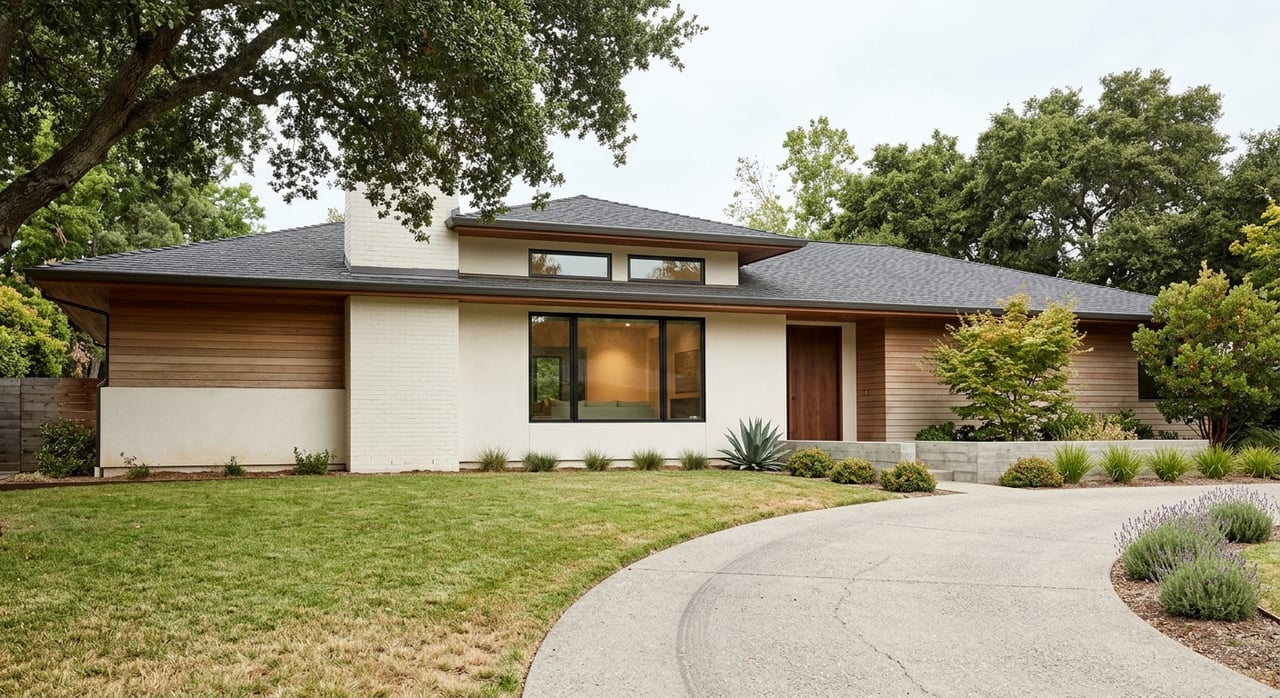
If you are shopping Los Altos luxury homes, the house itself only tells part of the story. In 94022, architectural style and lot size often shape privacy, remodeling options, and long-term value just as much as finishes or square footage. Understanding how these two factors work together can help you buy with more clarity and plan with fewer surprises. Let’s dive in.
Why style and lot matter in Los Altos
Los Altos describes itself as a tree-lined, small-village residential community in the heart of Silicon Valley. The city’s planning documents also point to relatively flat terrain, mature landscaping, low-density residential neighborhoods, and a strong pattern of single-story homes.
That context matters when you evaluate luxury property here. In many Los Altos neighborhoods, the streetscape, setbacks, trees, and low-profile homes create much of the appeal. A beautiful house on paper may feel very different depending on how it sits on the lot and how it relates to the surrounding homes.
Ranch homes lead the market
The most common architectural style in Los Altos is the California ranch. According to the city’s residential design guidelines, ranch homes became dominant with tract builders in the early 1950s and remain the prevailing style in many neighborhoods today.
These homes are usually easy to recognize. They often feature simple rectangular forms, low-pitched roofs, and attached garages. Many also sit comfortably on broad lots, which helps explain why they continue to appeal to buyers who value usable outdoor space and a low-slung California look.
For luxury buyers, ranch homes can be attractive for more than nostalgia. Their simpler massing and single-story orientation may offer a cleaner starting point for thoughtful renovations or expansions, depending on site constraints and city review.
Older homes add architectural depth
While ranch is the dominant style, Los Altos includes older housing stock that reflects the city’s earlier history. The city identifies farmhouse homes as part of Los Altos’s agricultural origins, and Craftsman or Bungalow homes date from the early 1900s through the 1920s.
These homes often bring a different kind of appeal. You may be drawn to their established presence, period details, or connection to the city’s early development. In the luxury segment, these properties can stand out because they feel distinct from more uniform postwar neighborhoods.
That said, older homes can require a more careful evaluation. Their age, layout, and possible historic significance can affect what changes are practical in the future.
Contemporary homes offer a different luxury profile
Los Altos also has a meaningful contemporary presence, especially among custom homes. The city notes that contemporary homes were usually custom rather than tract-built, with Eichler homes as a notable exception.
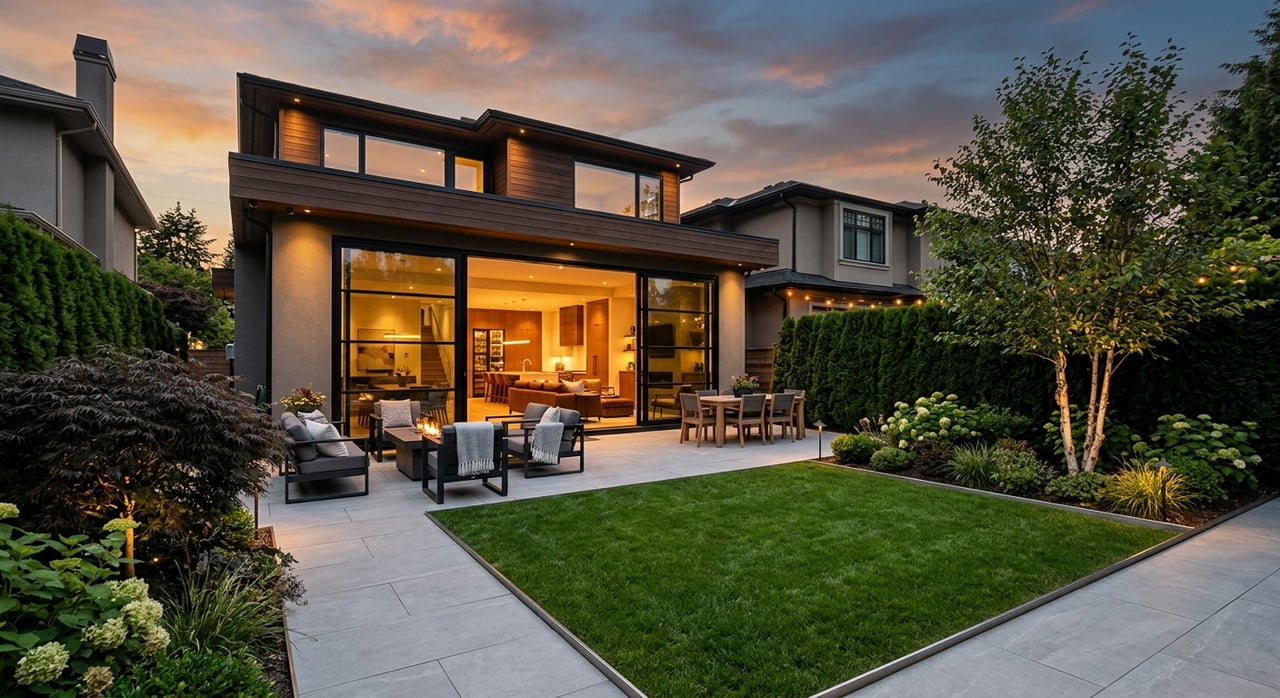
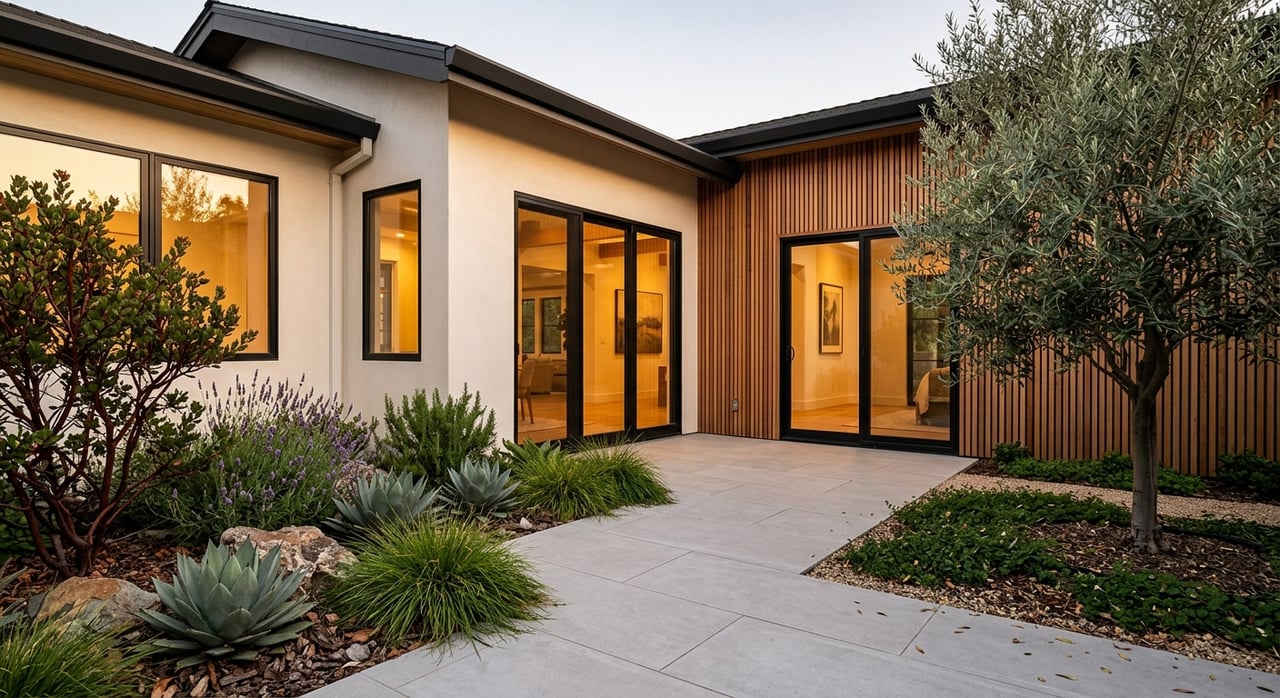
Contemporary design in Los Altos often emphasizes indoor-outdoor connection, larger expanses of glass, low roof forms, and modern massing. For buyers seeking a cleaner aesthetic, these homes can deliver a more current interpretation of California luxury while still responding to the area’s landscape and climate.
In practical terms, contemporary homes can appeal to buyers who prioritize light, openness, and seamless outdoor living. But as with any custom property, the success of the design often depends on how well the house fits the lot and the surrounding streetscape.
Traditional and eclectic homes broaden the mix
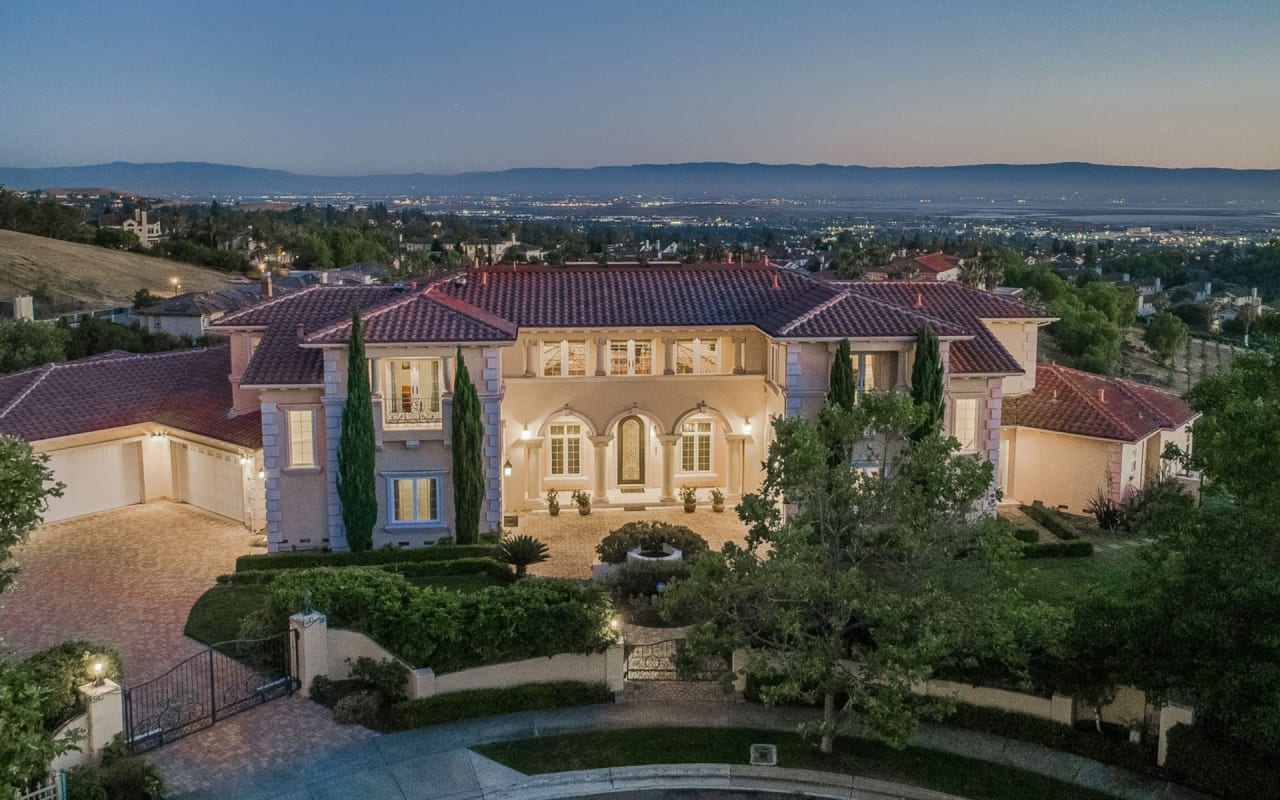
Beyond ranch, farmhouse, Craftsman, and contemporary designs, Los Altos includes historical and eclectic homes. The city’s framework references English, Colonial, Mediterranean, Victorian, and neo-style reinterpretations as part of the local mix.
This variety gives luxury buyers more than one path into the market. Some homes offer a classic, formal presence, while others blend older character with later remodeling. In a market like Los Altos, that variety can be an advantage if you know how to compare architecture not just by appearance, but by site fit and future flexibility.
Typical lot sizes in Los Altos
In Los Altos, lot size is a major part of the value equation. Most single-family homes are in the R1-10 district, where the minimum site area is generally 10,000 square feet. Corner lots require 11,000 square feet, and flag lots require 15,000 square feet.
The city also preserves existing small-lot clusters within that district, generally around 4,000 to 9,000 square feet. So while 10,000 square feet is the baseline many buyers expect, there is still meaningful variation from one neighborhood or pocket to another.
At the larger-lot end, Los Altos also has R1-40 properties. That district requires a 40,000-square-foot minimum site area, along with substantial frontage, width, and depth standards. These larger parcels represent a very different ownership experience, with more land, lower site coverage, and a broader physical buffer around the home.
How lot shape affects the living experience
Square footage alone does not tell you everything about a lot. In Los Altos, the physical setting is part of the appeal, including mature trees, tree-lined streets, and many neighborhoods without curbs, gutters, or sidewalks.
That setting creates an open, residential feel that many luxury buyers value. A flatter, wider lot may provide a different sense of privacy and usability than a narrower or more constrained parcel, even if the total lot size looks similar on paper.
When you tour homes, it helps to look beyond the backyard. Pay attention to frontage, side-yard spacing, tree placement, and how the home sits within the broader streetscape.
Can you expand a Los Altos luxury home?
Often, yes, but the answer is rarely simple. Los Altos requires design review for all residential construction, and the review process becomes especially important for two-story projects and unusual architectural designs.
The city’s design guidelines emphasize privacy, reduced bulk, neighborhood character, landscaping, scale, materials, and site planning. Los Altos does not require you to copy a specific style, but it does require design integrity and compatibility with the surrounding neighborhood.
That means expansion potential depends on more than lot size. Setbacks, daylight-plane rules, floor-area-to-lot-area standards, lot width, height limits, and existing trees can all influence what is realistically possible.
Why larger, flatter lots usually offer more flexibility
From a buyer’s perspective, some properties are simply easier to work with over time. Based on the city’s zoning and design framework, homes on larger, flatter, non-historic lots with generous setbacks often offer the most flexibility for additions or reconfiguration.
That does not mean every large lot is automatically easy to improve. Design review still applies, and the overall massing of the proposed home must work with the site and surrounding neighborhood.
Still, if future expansion is one of your priorities, lot conditions deserve as much attention as the current floor plan. In Los Altos, the right parcel can create options that are hard to replicate later.
Historic status can change the equation
Some properties in Los Altos carry added historic considerations. The city requires historic-preservation permit review for exterior alterations or additions to a designated Historic Resource or Landmark.
For the right buyer, that may be part of the appeal. A home with recognized historic character can offer architectural distinction and a stronger sense of place. The city also notes that the Mills Act may reduce property taxes for owners who enter into a preservation contract.
At the same time, buyers should understand that historic review adds another layer to planning changes. If preserving optionality is a top priority, it is wise to weigh that factor early.
ADUs and secondary improvements
ADUs are allowed in Los Altos single-family districts, but feasibility still depends on the specifics of the site. The city’s code and guidelines make lot width, setbacks, floor-area ratio, height, and topography important factors in what can realistically be added.
On steeper sites, construction may require stepped foundations. Even on flatter lots, existing site conditions and the relationship to neighboring homes can shape the final outcome.
For luxury buyers, this reinforces a simple point: in Los Altos, extra land is not just visual. It can influence how much flexibility you truly have for guest space, work space, or multigenerational use over time.
What luxury buyers should look for first
When comparing homes in 94022, it helps to assess style and lot together rather than treating them as separate features. A well-positioned ranch on a broad lot may offer more long-term versatility than a larger house on a constrained site.
As you evaluate options, focus on a few core questions:
- What architectural style is the home, and does that style fit your long-term goals?
- How large is the lot, and what is its shape and orientation?
- Is the site relatively flat, or will topography complicate future work?
- How much distance is there between the home and neighboring properties?
- Could setbacks, tree preservation, or historic status affect future changes?
- Does the current massing leave room to expand without overwhelming the site?
These questions can help you think beyond finishes and staging. In Los Altos, lasting value often comes from the combination of architecture, land, and future usability.
Why this matters for resale
Luxury resale value in Los Altos is often tied to what the next buyer can imagine doing with the property. Buyers are not only purchasing today’s layout. They are also weighing privacy, outdoor living, architectural appeal, and the possibility of future updates.
That is why the lot and the house are inseparable here. A strong design on a compatible lot tends to feel more intentional, more functional, and more enduring. In a market defined by mature landscaping and low-density residential character, that balance matters.
If you are evaluating Los Altos luxury homes, a disciplined review of style, site, and planning constraints can help you avoid costly assumptions. And if you want experienced guidance on how to read that value with a buyer’s or seller’s eye, Joe Sabeh offers polished, high-touch representation grounded in thoughtful market analysis.
FAQs
What architectural style is most common in Los Altos luxury homes?
- Ranch is the most common style in Los Altos, especially in neighborhoods largely built in the 1950s.
What lot size is typical for single-family homes in Los Altos?
- Many single-family homes are in the R1-10 district, where the minimum lot size is typically 10,000 square feet, although some small-lot pockets and much larger parcels also exist.
What larger-lot zoning exists for Los Altos homes?
- Los Altos also has R1-40 zoning, which requires a 40,000-square-foot minimum site area and reflects the larger-parcel end of the market.
Can you expand a luxury home in Los Altos?
- Often yes, but design review, setbacks, daylight-plane rules, floor-area limits, trees, and neighborhood compatibility all affect what can be approved.
Do historic homes in Los Altos have extra remodeling rules?
- Yes. Exterior alterations or additions to a designated Historic Resource or Landmark require historic-preservation permit review.
Are ADUs allowed on Los Altos single-family lots?
- Yes, ADUs are allowed in single-family districts, but lot width, setbacks, height, floor-area ratio, and topography still shape what is feasible.