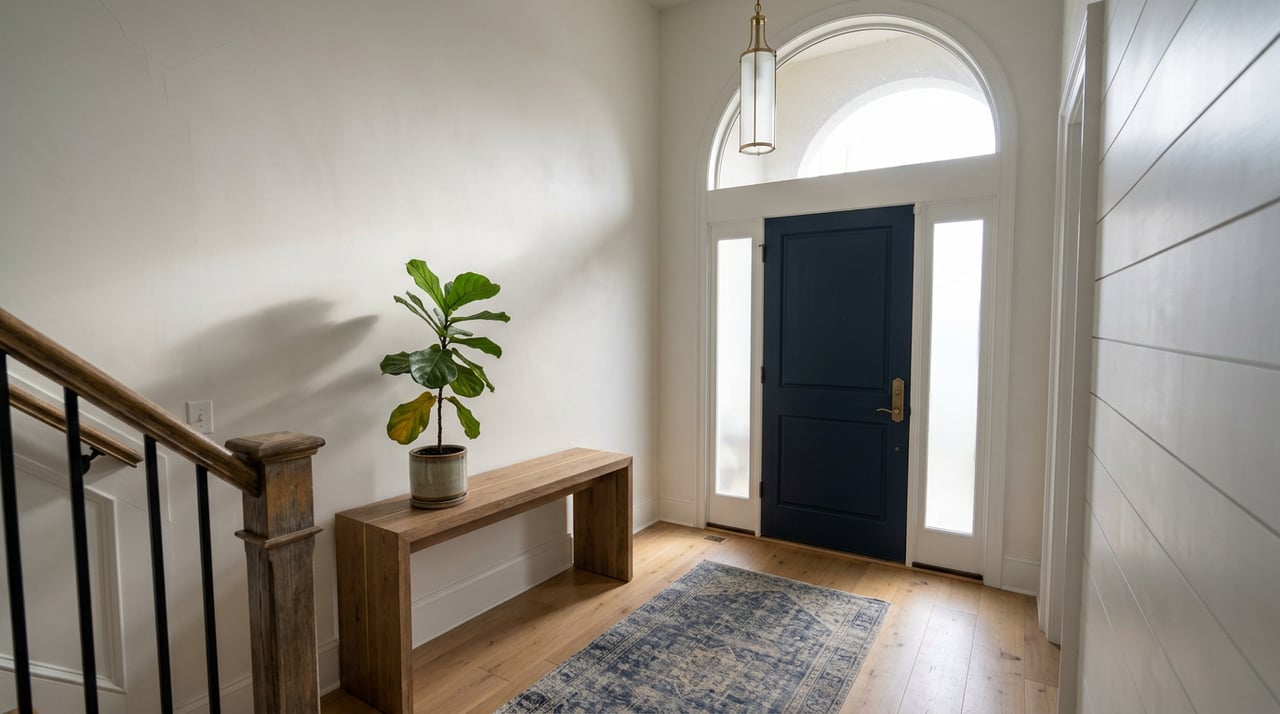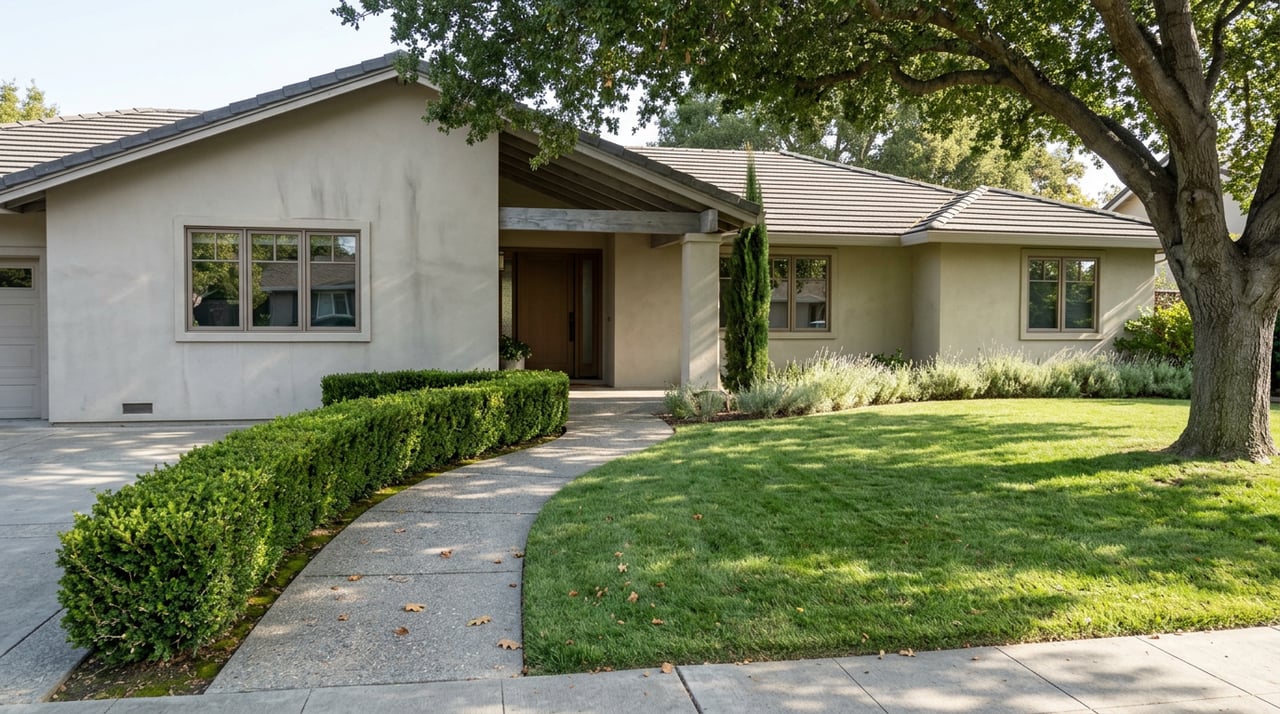
If you want a newer home in the East Bay, Dublin deserves a close look. While many nearby cities have older housing stock, Dublin stands out for the sheer number of homes built in the last two decades, along with active master-planned development that is still shaping parts of the city. If you are weighing style, commute, maintenance, and long-term value, this guide will help you understand what buying newer construction in Dublin really looks like. Let’s dive in.
Why Dublin Stands Out
Dublin is one of the strongest options in the inner East Bay if your priority is a newer home. According to the city’s 2023 to 2031 Housing Element, about 54% of Dublin homes were built in 2000 or later, which is a major contrast with nearby East Bay cities that have much older housing stock. You can review that data in the City of Dublin Housing Element.
That matters because your search experience in Dublin is often very different from what you might find in Berkeley, Oakland, Hayward, or Alameda. In those markets, buyers looking for newer homes may be sorting through a much smaller share of recent construction, while Dublin offers a larger pool of homes with modern layouts, newer systems, and master-planned surroundings.
Dublin also continues to grow. Large communities like Francis Ranch and Dublin Centre show that buyers are not just choosing from completed neighborhoods. In some cases, you are buying into an area that is still actively taking shape.
What Newer Dublin Homes Offer
In Dublin, newer construction usually means more than a recently built house. It often means a home within a larger planned community, where parks, trails, gathering spaces, and neighborhood amenities are part of the broader setting.
The city highlights more than 24 parks, sports fields, and open-space areas, and newer sections of Dublin continue to add to that network. In Francis Ranch, builder materials describe access to new parks, trails, the Dublin/Pleasanton BART station, and I-580. Dublin Centre is planned with features like a swim center, water park, central gathering area, and proximity to destinations such as Emerald Glen Park, Fallon Sports Park, Grand Paseo, and the Iron Horse Trail.
Inside the homes, you will often see design choices that appeal to today’s buyers. Common features in newer Dublin communities include:
- Open-concept living areas
- Attached garages
- Multi-story townhome designs
- Flex rooms or multigenerational layouts
- Contemporary finishes and smart-home features
Builders also position their homes differently. Some lean into bundled value, while others focus on performance and technology. For example, Lennar promotes an Everything’s Included model in some Dublin offerings, while Landsea emphasizes high-performance construction and smart-home automation in Dublin Centre.
Master-Planned Living Tradeoffs
A newer home can solve some problems, but it can also introduce a different set of considerations. In Dublin, many of the newest options are part of planned developments, so it helps to evaluate the full community and not just the home itself.
One advantage is consistency. Streetscapes, parks, trail links, and shared amenities are often designed together, which can create a more cohesive feel. You may also benefit from newer infrastructure and lower near-term maintenance exposure compared with much older homes in surrounding cities.
The tradeoff is that some neighborhoods may not feel fully finished on day one. The city shows that Francis Ranch parks are still under construction, and Dublin Centre includes public spaces that are still in planning. That means you should expect the possibility of temporary construction traffic, evolving streetscapes, and a neighborhood that may take time to feel fully settled.
Focus on Commute and Connectivity
For many buyers, Dublin’s newer housing becomes even more attractive because of transportation access. The city has two BART stations and local transit options, which can be a meaningful advantage if you commute within the Bay Area.
That combination of newer housing and regional access is part of Dublin’s appeal. You may be able to find a more modern home product without giving up the transit connections that matter for daily life. If you are relocating for work or trying to balance house preferences with commute realities, that can make Dublin especially compelling.
Review HOA Details Carefully
If you are buying a newer townhome, condo, or planned development home in Dublin, the homeowners association deserves close attention. This is one of the most important parts of your due diligence.
Fannie Mae’s HOA guidance recommends reviewing financial statements, reserve accounts, and any special assessments before you buy. In Dublin, that is particularly relevant because many newer communities have shared amenities, landscaping, common areas, and ongoing buildout responsibilities.
As you review a property, consider questions like these:
- What are the monthly HOA dues?
- What services and amenities do those dues cover?
- Are reserve funds strong?
- Are there any pending or recent special assessments?
- Are parts of the community still under construction or turnover?
A well-run HOA can support the neighborhood over time. A weak one can affect both your monthly costs and future resale appeal.
Look Beyond the Model Home
New construction marketing is designed to make a strong impression. That is helpful, but it should never replace a detailed review of what is actually included in the home you are buying.
In Dublin, builders offer different value packages, so it is smart to compare the base price, included finishes, appliance package, structural options, and upgrade costs in a disciplined way. A polished model home can make upgrades feel essential, but your best move is to treat selections as a budget decision rather than a design shopping spree.
That approach helps you answer practical questions such as:
- Which finishes are included versus optional?
- Are flooring, lighting, and appliance packages priced competitively?
- Do structural upgrades add long-term usefulness?
- Which upgrades may be easier to do after closing?
Pay Attention to Lot Orientation
In Dublin, lot selection can matter almost as much as floor plan selection. Because much of the newer housing is in eastern and open-space-adjacent areas, a lot’s position can shape your day-to-day experience in ways that are easy to overlook during a quick showing.
The city points to areas like Dougherty Hills Open Space, Martin Canyon Creek Trail, and Dublin Hills Regional Park, and builder materials describe Francis Ranch as being in Dublin’s eastern hills. In practical terms, that means you should think carefully about:
- Sun exposure throughout the day
- Privacy from neighboring homes
- Slope and drainage
- Views versus rooflines
- Whether your lot backs to open space or a future phase
A premium lot can improve your enjoyment and support resale later. A less ideal lot may still work well, but you should make that decision knowingly.
Still Get an Inspection
It is easy to assume a brand-new home does not need an inspection. In reality, an independent inspection can still be a wise step.
The Consumer Financial Protection Bureau recommends a home inspection as part of protecting your interests. Even in newer construction, an inspector may identify workmanship issues or items that deserve attention before closing.
That does not mean something is wrong with every new home. It simply means you should verify the condition with the same care you would bring to any major purchase.
Think About Resale Early
When you buy newer construction, you are not just choosing where to live today. You are also making an investment decision that may affect your flexibility later.
Dublin’s resale story is supported by several practical strengths: newer housing stock, regional commuter access, and continued neighborhood development. Compared with nearby cities that have much older homes, newer Dublin properties may offer lower near-term maintenance exposure, while older neighborhoods elsewhere may offer more mature landscaping and a more established lot pattern.
That does not make one choice universally better than the other. It does mean your decision should reflect how you value maintenance, layout, amenities, HOA structure, commute access, and neighborhood maturity.
A Smart Buying Strategy for Dublin New Construction
If you are considering a newer construction home in Dublin, a thoughtful process can help you avoid expensive mistakes. Focus on the home, the lot, the HOA, and the community’s stage of completion as a package.
A strong buying plan usually includes:
- Comparing builders by true included value, not model-home presentation alone
- Reviewing HOA documents and reserves carefully
- Evaluating lot orientation, privacy, and future nearby development
- Confirming commute routes, BART access, and daily convenience
- Scheduling an independent inspection before closing
The right home is not always the newest release or the most upgraded model. Often, it is the property where the numbers, the location, and the long-term fit all line up.
If you are exploring newer construction in Dublin and want clear, local guidance on lot selection, builder tradeoffs, resale considerations, and negotiation strategy, Joe Sabeh offers a polished, highly personalized approach built around protecting your interests from first tour to closing.
FAQs
What makes Dublin, California attractive for newer construction homebuyers?
- Dublin has a much larger share of homes built since 2000 than many nearby East Bay cities, plus active master-planned development, transit access, parks, and trails.
What should you review before buying a newer construction home in Dublin?
- You should closely review the builder’s included features, upgrade pricing, HOA documents, reserve funding, lot orientation, and the community’s current stage of buildout.
Do newer construction homes in Dublin often have HOA fees?
- Yes, many newer Dublin homes are in planned developments where HOA dues may cover shared amenities, landscaping, and common-area maintenance.
Should you get a home inspection on a new construction home in Dublin?
- Yes, an independent inspection can help identify workmanship or condition issues before closing, even on a brand-new home.
Are all newer Dublin neighborhoods fully completed?
- No, some communities are still adding parks, public spaces, and new phases, so buyers should expect that certain neighborhoods may still be evolving.
How do newer Dublin homes compare with older East Bay housing options?
- Newer Dublin homes often offer more modern layouts and potentially lower near-term maintenance needs, while older East Bay homes may offer more established streetscapes, mature landscaping, and a different neighborhood feel.