If you are drawn to the idea of grabbing coffee on Main Street, walking to a Saturday market, and still having easy access to parks and regional transit, Pleasanton deserves a close look. For many buyers, the real question is not just whether Pleasanton fits, but which part of Pleasanton fits best. This guide will help you understand what it is like to live near downtown Pleasanton, how it compares with areas farther out, and what tradeoffs matter most as you plan your move. Let’s dive in.
Why downtown Pleasanton stands out
Downtown Pleasanton is both the city’s historic core and one of its main day-to-day activity centers. The city describes it as a historic district and civic hub with chef-driven restaurants, independent shops, and more than 550 unique businesses, while the Pleasanton Downtown Association notes it supports more than 500 businesses as a certified California Main Street area. You can explore more through the City of Pleasanton’s downtown overview.
This setting gives downtown a different feel from a purely residential neighborhood. Instead of being centered only on homes, it blends storefronts, restaurants, civic spaces, and housing in one compact area. For buyers who value being close to everyday activity, that mix is a big part of the appeal.
Historic character shapes the area
Pleasanton’s original townsite grew along Main Street and the railroad, and the city says the oldest neighborhood is Downtown, with buildings dating back to the 1860s. Local preservation materials point to landmarks such as the Pleasanton Arch, the former Town Hall, and other Main Street buildings as defining parts of the district’s identity. You can see that history in the city’s downtown historic context statement.
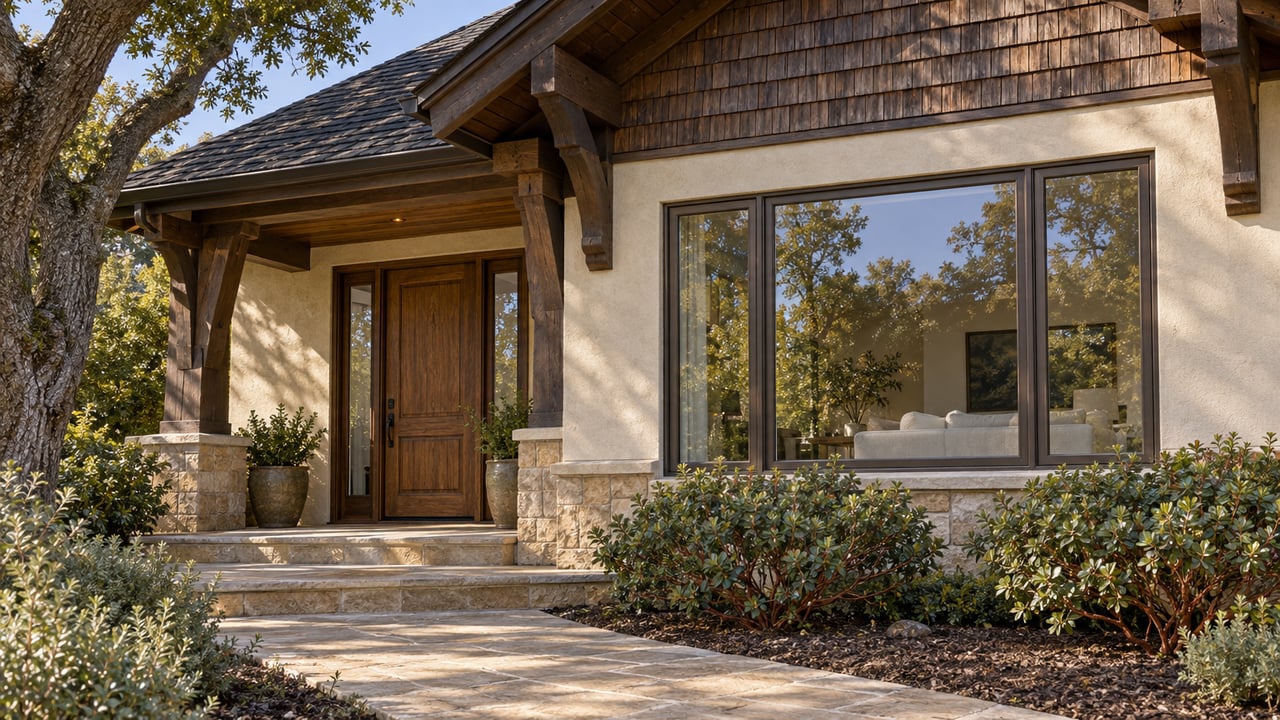
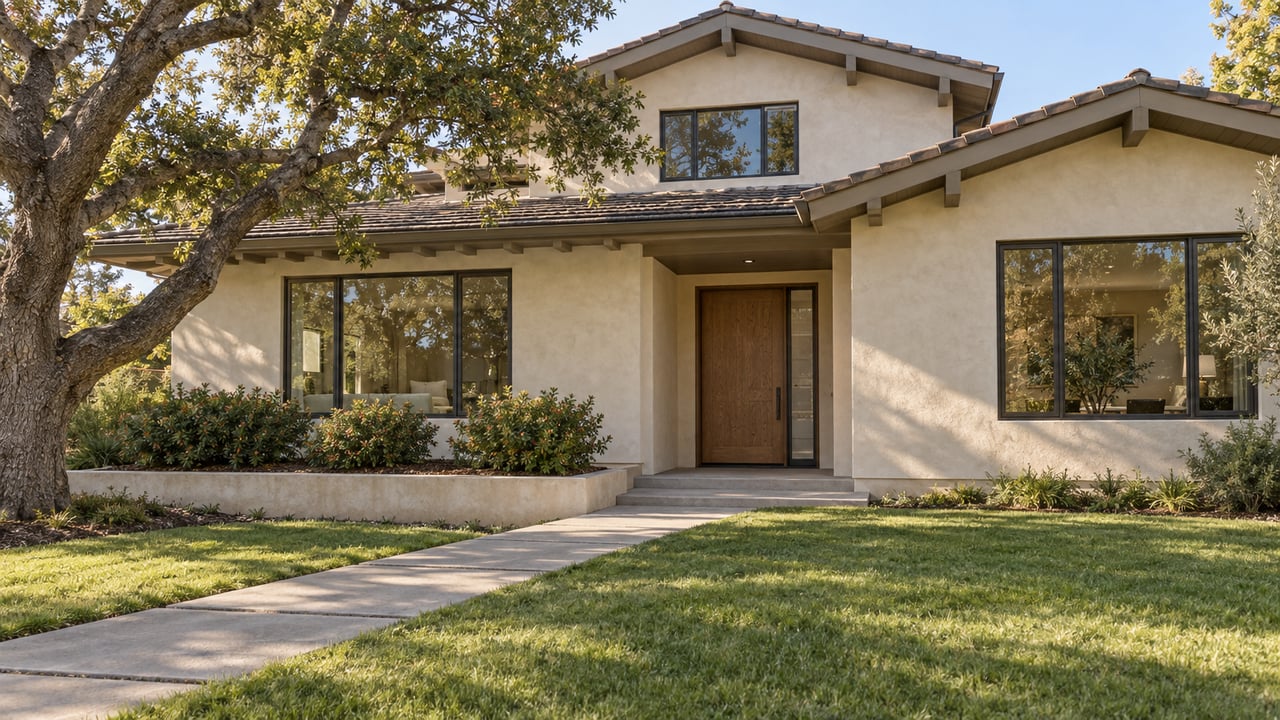
That history also shows up in the housing stock. Near downtown, you will find older homes, early residential patterns, and a more varied built environment than in later-developed parts of Pleasanton. The area includes everything from early single-story homes and Craftsman bungalows to some smaller multifamily and connected housing introduced after World War II.
What daily life feels like near Main Street
Living near downtown Pleasanton is not only about walkability. It is also about being close to recurring events and public spaces that shape the rhythm of the week.
A good example is the Pleasanton Farmers’ Market, which runs every Saturday year-round from 9 a.m. to 1 p.m. In the summer, the Downtown Association also hosts Concert in the Park on Friday evenings, and First Weekends on Main brings street closures, outdoor dining, and community events.
For many residents, that means downtown feels active beyond normal shopping hours. You may enjoy being able to stroll to events, meet friends locally, or make Main Street part of your regular routine. At the same time, it is wise to expect a little more activity, traffic, and seasonal event energy than you would in a quieter residential pocket.
Parks and open space nearby
One advantage of this part of Pleasanton is that urban convenience and outdoor access sit surprisingly close together. According to the city, Pleasanton offers 46 community and neighborhood parks, more than 60 miles of trails, and over 700 acres of open space. For a broader outdoor option, Pleasanton Ridge Regional Park adds a 9,090-acre preserve with hiking, biking, and horseback riding.
Closer to downtown, Bernal Community Park is described by the city as a short walk away and sits across from the Alameda County Fairgrounds. Lions Wayside Park also plays an important role downtown, especially after its 2025 reopening with a new bandstand, dance floor, seating, lighting, and ADA improvements.
If you enjoy places with both recreation and local history, Alviso Adobe Community Park offers interpretive programs tied to the Amador Valley’s ranching and dairy past. That kind of variety adds to Pleasanton’s appeal for buyers who want more than a simple house-to-commute routine.
Commuting from Pleasanton
For many relocation buyers, commute access is a deciding factor. Pleasanton has a practical advantage here because the city is served by BART, Wheels, and ACE Rail, with BART connections to Oakland, Berkeley, Fremont, Walnut Creek, and Dublin/Pleasanton. The city also notes that Pleasanton’s modern growth was shaped in part by the I-580 and I-680 junction, along with major employment and retail centers. You can review those options on the city’s public transit page.
If your work takes you across the East Bay or toward Silicon Valley, that network can make Pleasanton feel more connected than a suburb that depends on only one route in and out. For buyers who split time between remote work and in-office days, that flexibility can be especially attractive.
Homes closest to downtown
Housing near downtown Pleasanton tends to be older, more varied, and more mixed-use than housing farther from the core. The city notes that Downtown includes both residential and commercial uses, including homes above storefronts. That makes the area feel more layered and urban than neighborhoods built later in Pleasanton’s expansion.
The city’s planning documents identify several heritage neighborhoods near the core. These include the Downtown Commercial Center, the residential blocks around First, Second, and Third Streets, Little Stanley Boulevard on the south side, Saint Mary and Saint John streets, and Spring and Ray streets. These micro-areas are often the closest residential settings to the downtown experience.
For some buyers, that means charm, proximity, and a strong sense of place. For others, it may mean accepting smaller lots, older housing characteristics, or more nearby activity than they would find in newer residential sections of town.
Living beyond downtown
If you move farther out from downtown, Pleasanton’s neighborhood pattern shifts. The city’s housing history shows that postwar growth expanded along Santa Rita Road, Walnut Avenue, and the east ends of Neal, Kottinger, and Vineyard, with later subdivisions extending outward between downtown and major arterial or highway connections.
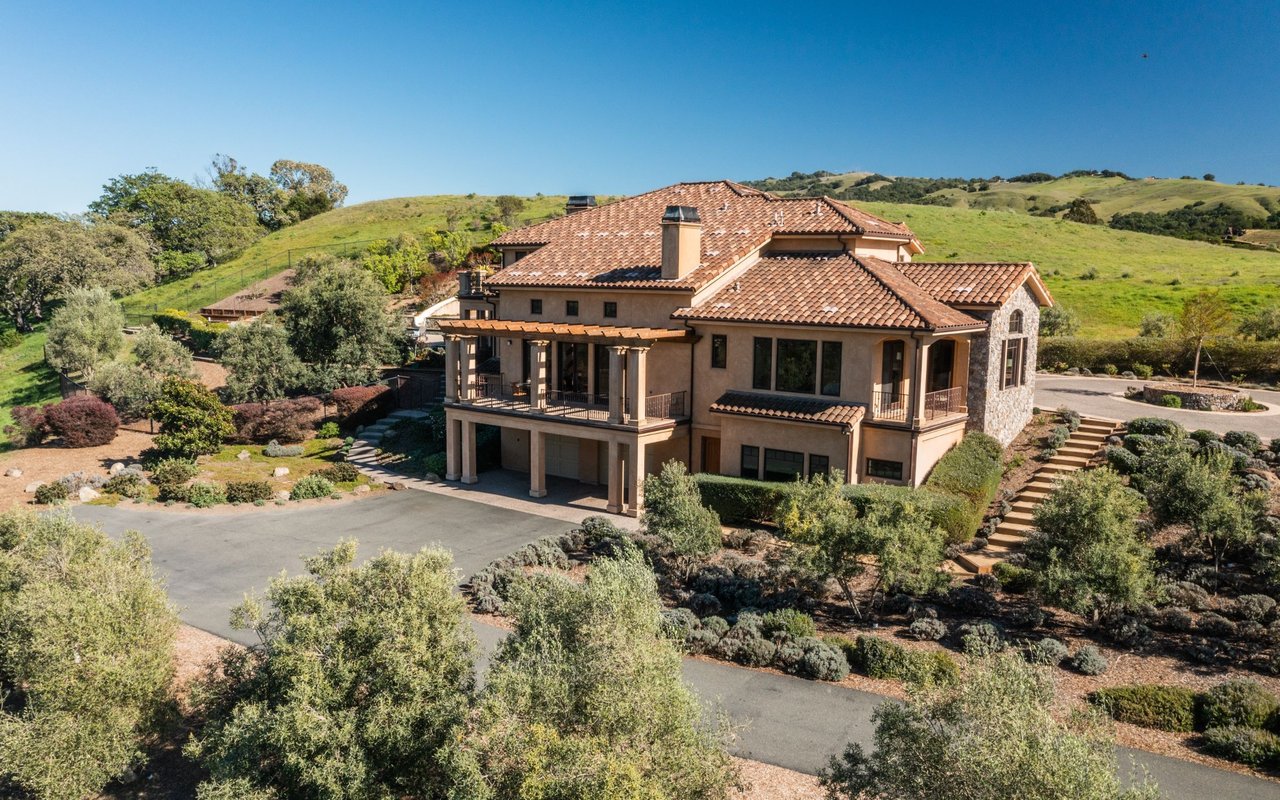
The general plan describes many of these later-developed neighborhoods as lower density and more cul-de-sac oriented, with landscaping, sidewalks, and bike paths. It also notes that many neighborhoods have a park and a school within walking distance. Examples from the city’s neighborhood inventory include Stoneridge, Valley Trails, Pleasanton Village, Vintage Hills, Ruby Hill, and Ironwood.
In simple terms, areas beyond downtown often offer a more purely residential setting. You may find a neighborhood structure that feels quieter and more separated from retail and event activity. That can be a better fit if you want more space or a more traditional suburban layout.
Downtown versus farther out
For most buyers, the choice comes down to lifestyle priorities. Based on Pleasanton’s land-use pattern, neighborhood inventory, and downtown programming, the core tradeoff is walkability and character versus more residential space and separation from activity.
Here is a simple comparison:
| Feature | Near Downtown Pleasanton | Farther-Out Pleasanton Neighborhoods |
|---|---|---|
| Setting | Historic, mixed-use, active | Primarily residential |
| Housing pattern | Older homes, varied types, some mixed-use | Later subdivisions, lower density |
| Walkability | Strong access to Main Street, events, dining, shops | More car-dependent for downtown visits |
| Activity level | Higher during markets, concerts, and event weekends | Typically quieter day to day |
| Outdoor access | Close to parks and downtown public spaces | Close to neighborhood parks, paths, and open space |
Neither option is automatically better. It depends on whether you want to step into downtown life every week or prefer to visit it when you choose.
What to know about event seasons
One detail many relocation buyers overlook is how seasonal programming affects the feel of nearby blocks. Downtown events can bring more foot traffic and street activity, especially around Friday summer concerts and first-weekend closures.
There is also regional activity tied to the Alameda County Fair, which runs June 19 through July 12, 2026. Because the fairgrounds sit near Bernal Community Park and downtown-adjacent areas, that season can add another layer of energy to the area.
For some buyers, this is part of the fun of living near the center of town. For others, it is an important reminder to think carefully about your preferred noise level, parking patterns, and weekend routine.
How to choose the right fit
If you are deciding between downtown-adjacent living and neighborhoods farther out, it helps to focus on how you actually want to spend your week. Think about whether you want to walk to coffee, dining, and events regularly, or whether you would rather have a more private residential setting and drive in when the mood strikes.
It also helps to tour Pleasanton with a specific lens. Visit Main Street on a weekday morning, a Saturday during the farmers’ market, and if possible during a summer event period. Then compare that experience with time spent in later-developed residential neighborhoods, where the pace and layout may feel very different.
The right move is usually less about a headline description and more about matching your home search to your routines, commute, and tolerance for activity. That is where neighborhood-level guidance can make a real difference.
If you are considering a move to Pleasanton and want a more tailored read on where your priorities may fit best, Joe Sabeh can help you compare neighborhoods, weigh commute and lifestyle tradeoffs, and navigate the search with clear, local insight.
FAQs
What is it like living near downtown Pleasanton?
- Living near downtown Pleasanton means being close to Main Street businesses, recurring events, parks, and a more active mixed-use environment than many residential areas farther out.
Which neighborhoods are closest to downtown Pleasanton?
- City planning documents identify heritage areas near the core such as the Downtown Commercial Center, First, Second, and Third Streets, Little Stanley Boulevard, Saint Mary and Saint John streets, and Spring and Ray streets.
Is downtown Pleasanton walkable for everyday life?
- Yes. Downtown Pleasanton is shaped by regular daily retail and dining activity plus recurring community events like the Saturday farmers’ market and First Weekends on Main.
How does downtown Pleasanton compare with other Pleasanton neighborhoods?
- Downtown offers more historic character, walkability, and mixed-use living, while many neighborhoods farther out are more residential, lower density, and cul-de-sac oriented.
Does living near downtown Pleasanton mean more noise or traffic?
- It can, especially during summer concerts, weekend events, and seasonal activity periods that bring more visitors and street closures near Main Street.
What commuter options are available from Pleasanton?
- Pleasanton is served by BART, Wheels, and ACE Rail, and it also benefits from access to the I-580 and I-680 corridor for broader East Bay and regional travel.