Thinking about selling in Glenmoor? In a neighborhood where many homes go pending quickly and buyers already understand the value of Fremont living, the homes that stand out are usually the ones that feel well cared for, well presented, and true to the neighborhood. If you want to make a strong first impression without over-improving, this guide will show you where to focus before you list. Let’s dive in.
Understand what Glenmoor buyers notice
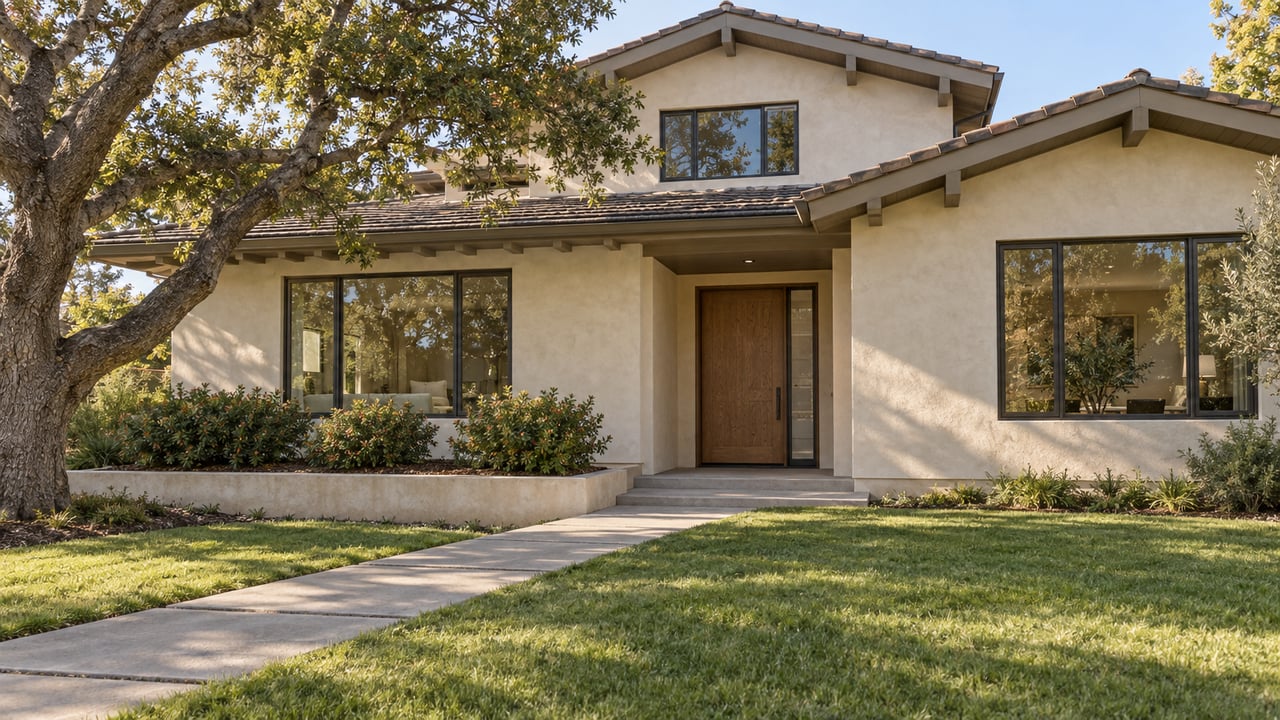
Glenmoor Gardens is Fremont’s largest subdivision, spanning more than 600 acres and rooted in the 1950s and 1960s. The neighborhood is known for low, single-story ranch homes, mature trees, open front yards, and a streetscape with a consistent horizontal feel.
That matters when you prepare your home for market. In Glenmoor, buyers are often drawn to updated ranch living in an established, tree-lined Fremont neighborhood, not a home that feels disconnected from its setting. The goal is to present your property as fresh, functional, and polished while respecting the character that makes Glenmoor recognizable.
Start with curb appeal
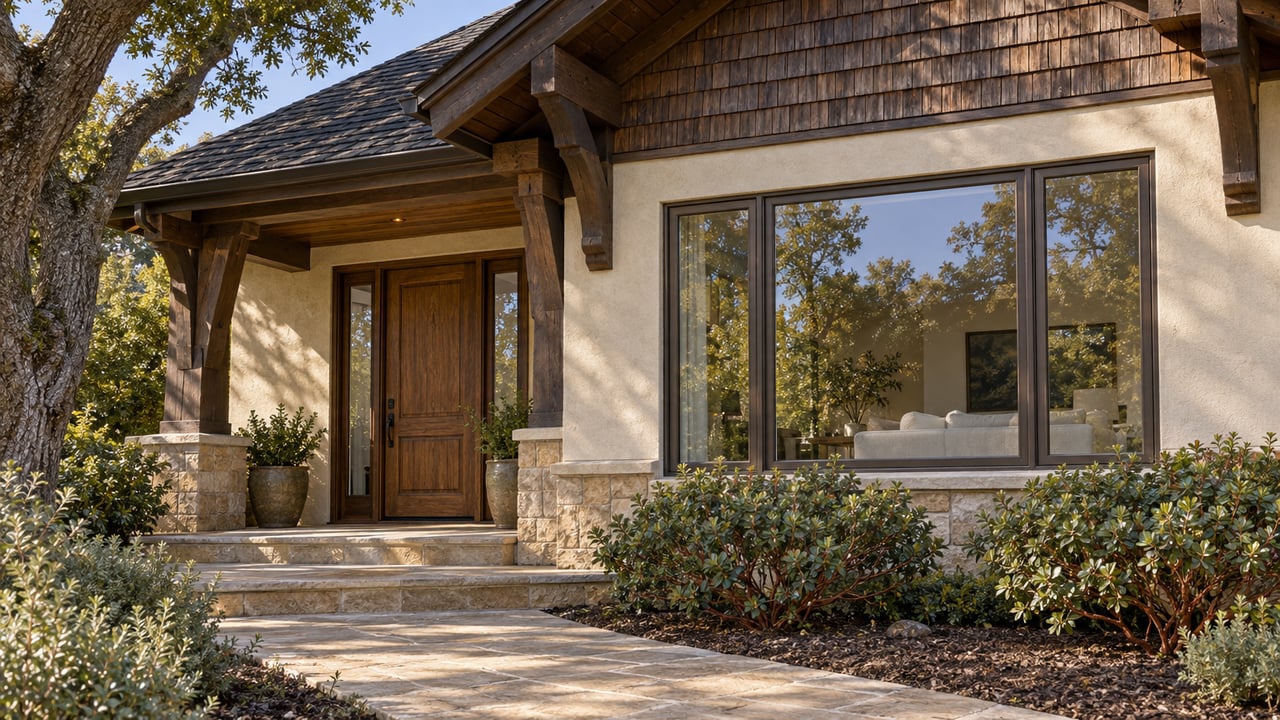
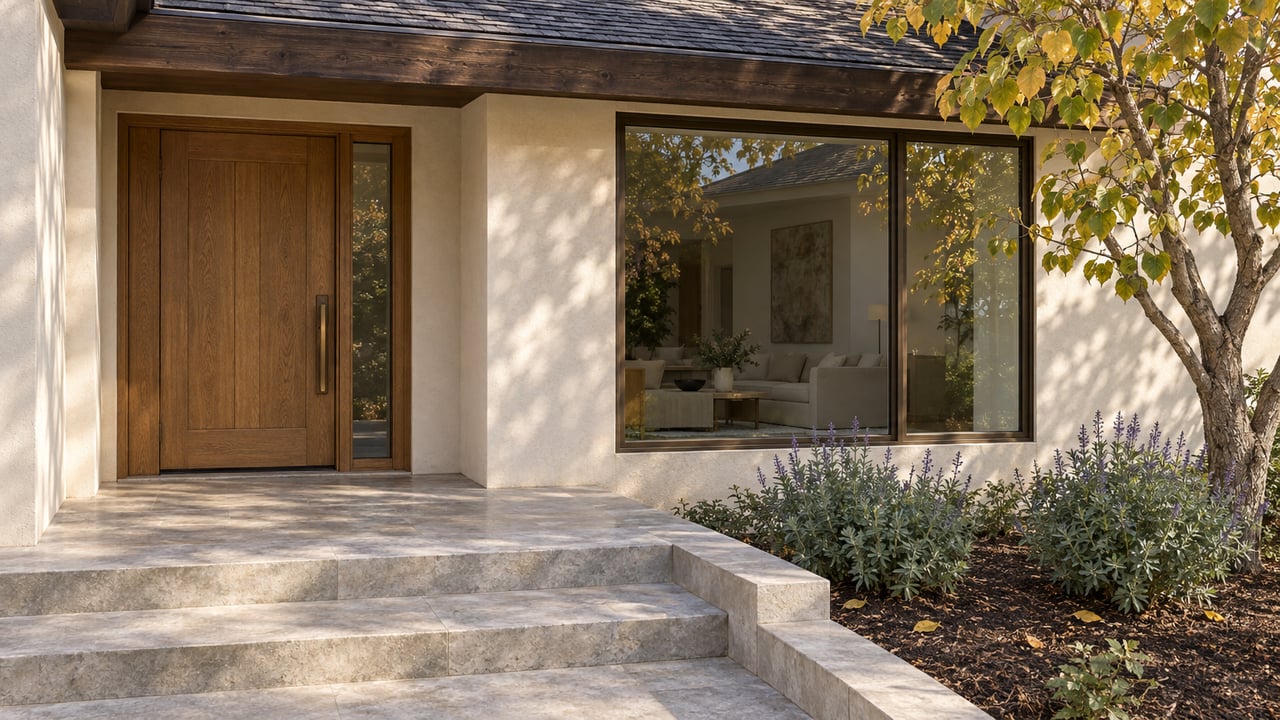
Your exterior sets the tone before a buyer ever walks through the front door. In Glenmoor, curb appeal is especially important because the neighborhood’s appeal is tied so closely to its open front yards, mature landscaping, and cohesive ranch architecture.
Focus first on visible condition. Clean walkways, trim overgrown planting, refresh mulch, remove dead landscaping, and make sure the lawn looks tidy if you have one. If your front door, trim, or garage door looks worn, a simple paint refresh can go a long way.
Lighting also matters. Replace dated or mismatched exterior fixtures, confirm all bulbs work, and make the entry feel clean and welcoming. These are modest improvements, but they can sharpen the home’s presentation without changing its character.
Preserve the ranch style
Before you take on cosmetic upgrades, keep Glenmoor’s architectural identity in mind. Fremont’s neighborhood guidance for Glenmoor favors compatibility with the existing house and neighborhood scale and discourages design choices that feel out of place, such as oversized entries, overly complex massing, incompatible window shapes, and certain roof and fence styles.
For sellers, the takeaway is simple. You do not need to reinvent the house to make it market-ready. In many cases, buyers will respond better to improvements that respect the home’s low, horizontal profile and established setting.
That could mean:
- Repainting in a clean, understated color palette
- Updating worn hardware and light fixtures
- Repairing aging trim or siding details
- Replacing tired landscaping with simple, low-maintenance planting
- Keeping front-yard improvements visually consistent with the street
Fix deferred maintenance first
In a market where Glenmoor homes have recently averaged about 11 days on market and many sales still close above list price, presentation and pricing both matter. Strong demand does not erase buyer concern when a home shows signs of neglect.
That is why deferred maintenance should come before ambitious remodeling. If buyers see loose door hardware, stained ceilings, damaged screens, cracked caulking, aging paint, or neglected landscaping, they may assume there are larger issues behind the scenes.
A practical pre-listing checklist often includes:
- Touch-up paint inside and out
- Deep cleaning of windows, floors, and surfaces
- Minor plumbing and electrical fixes
- HVAC service if needed
- Roof and gutter cleanup
- Fence and gate repair where applicable
- Replacement of burned-out bulbs and dated smoke or carbon monoxide devices as needed
These updates help your home feel cared for. That confidence can support stronger offers.
Declutter and depersonalize key rooms
According to the 2025 NAR staging report, agents most often recommend decluttering, cleaning, and improving curb appeal. That advice fits Glenmoor especially well, where many homes benefit from simple, bright presentation rather than heavy styling.
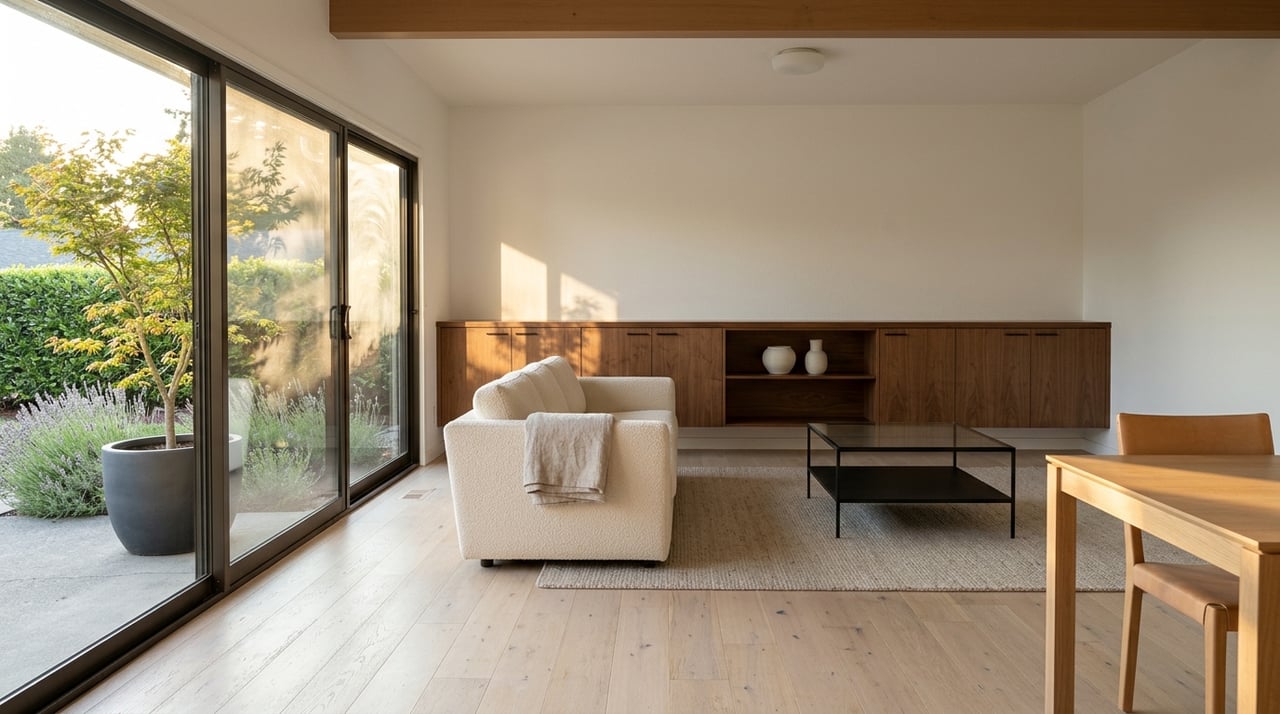
Start by removing anything that makes rooms feel crowded. Extra chairs, bulky storage pieces, oversized decor, and too many personal items can distract from the home’s layout and flow. Buyers should be able to move easily from room to room and notice the one-level living that ranch homes do so well.
Pay special attention to:
- The living room
- The primary bedroom
- The kitchen
- The dining area
These are the spaces buyers tend to notice most. Keep furniture scaled appropriately, clear off counters, simplify bookshelves, and use neutral bedding and decor so the house feels calm and easy to picture as their own.
Highlight Glenmoor’s indoor-outdoor flow
Many Glenmoor homes sit on deep, wide lots, especially in earlier tracts. If your home has patio access, a large backyard, or room to garden, entertain, or relax outdoors, make that part of the showing experience.
You do not need an elaborate backyard remodel. What matters more is that the space looks usable and inviting. Clean the patio, stage a simple seating area, trim plantings, and make sure pathways and fencing are in good condition.
Inside, arrange furniture so sightlines to the backyard stay open. Low-profile pieces often work well in ranch homes because they preserve the horizontal feel and help buyers connect indoor and outdoor spaces at a glance.
Be strategic with updates
Not every pre-sale dollar delivers the same return. In Glenmoor, a polished presentation usually matters more than a dramatic renovation, especially if the renovation risks clashing with the neighborhood’s architecture.
If you are deciding where to spend, prioritize updates buyers can see immediately and appreciate without questioning whether the work fits the home. Kitchens and baths can benefit from like-for-like improvements, but major work should be weighed carefully against timing, permit needs, and market strategy.
Smart, lower-disruption improvements may include:
- New cabinet hardware
- Fresh paint
- Updated mirrors or vanity lighting
- Recaulking tubs and showers
- Replacing worn flooring in high-impact areas
- Installing clean, simple window coverings
Check permits and gather records early
Because many Glenmoor homes were built between 1951 and 1966, paperwork can be just as important as presentation. If you have remodeled, replaced windows, reroofed, altered systems, or made other substantial changes, gather your permit history and supporting documents before the home goes live.
Fremont requires permits and inspections for many types of work, including certain kitchen and bath remodels, window replacement, reroofing, and broader alterations or additions. Having records organized early can make disclosures smoother and help answer buyer questions with confidence.
If you are considering last-minute improvements before listing, check permit requirements before opening walls or replacing systems. A fast cosmetic fix is one thing. Unpermitted work is another.
Prepare disclosures sooner, not later
California sellers generally provide a Transfer Disclosure Statement. If the property is in a mapped natural hazard area, a Natural Hazard Disclosure Statement is also required. For many Glenmoor homes built before 1978, lead-based paint disclosure rules may apply as well.
Starting the disclosure process early helps you avoid delays once offers arrive. It also gives you time to gather contractor invoices, inspection reports, permit documents, and any maintenance history that may help clarify the home’s condition.
Well-prepared disclosures support a cleaner transaction. They also reinforce the impression that the sale is being handled with care and transparency.
Invest in listing media that tells the story
Once the house is ready, your marketing should emphasize both the home and the neighborhood. NAR’s 2025 findings show buyers’ agents place high importance on photos, followed by physical staging, videos, and virtual tours.
For a Glenmoor listing, the most useful media usually includes:
- A strong front exterior photo
- A bright living room image
- A clean, updated kitchen shot
- A simple primary bedroom view
- At least one image showing the backyard or patio connection
This matters because Glenmoor offers more than square footage. The established streetscape, mature trees, and neighborhood continuity are part of the value. Your listing media should capture that clearly.
Tell a broader Fremont lifestyle story
A strong Glenmoor listing should also place the home within Fremont’s wider appeal. Fremont highlights citywide commute access through I-680, I-880, ACE, Amtrak, and BART, along with 1,224 acres of parkland and well-known destinations such as Lake Elizabeth and Central Park.
That gives you a credible lifestyle narrative to pair with the home itself. Buyers may be drawn to Glenmoor for its established residential feel, but they also care about how the location connects to daily life across the Bay Area.
When relevant, your listing can also reference neighborhood continuity and nearby community features in factual terms. If school assignment is part of a buyer’s decision-making, it should be verified by address through the district’s locator rather than assumed.
Price with discipline
Even in a strong neighborhood, staging and prep are not substitutes for pricing strategy. Recent Glenmoor sales have included both under-list and over-list outcomes, which is a reminder that the right list price still shapes attention, urgency, and offer quality.
Over the three months ending May 2026, Glenmoor’s median sale price was about $1.816 million, above Fremont’s citywide median of about $1.564 million in May 2026. That premium reflects the neighborhood’s appeal, but each property still needs to be positioned based on condition, lot, updates, and buyer competition at the time of launch.
The best results usually come from aligning three things at once:
- Strong preparation
- Clear market positioning
- Disciplined pricing
When those pieces work together, your home is better positioned to attract serious buyers quickly.
A simple Glenmoor prep plan
If you want to keep your pre-listing plan focused, use this order of operations:
- Walk the property and note visible maintenance issues.
- Clean, declutter, and depersonalize the main living spaces.
- Refresh landscaping and sharpen curb appeal.
- Make light cosmetic updates that fit the ranch style.
- Gather permits, records, and disclosure information.
- Stage key rooms and prepare the home for photography.
- Launch with pricing and marketing that reflect current Glenmoor demand.
Selling in Glenmoor is not about making your home look like every other remodel in the Bay Area. It is about presenting the best version of what buyers already value here: a well-kept ranch home, a comfortable lot, and a location within one of Fremont’s most established neighborhoods.
If you are preparing to sell and want a polished plan tailored to your home, Joe Sabeh can help you evaluate what to update, what to skip, and how to bring your property to market with the right presentation and strategy.
FAQs
What should sellers update before listing a Glenmoor home in Fremont?
- Focus first on cleaning, decluttering, curb appeal, minor repairs, and cosmetic updates that preserve the home’s ranch character rather than major renovations that may not fit the neighborhood.
Why does curb appeal matter for Glenmoor homes?
- Glenmoor is known for mature trees, open front yards, and cohesive ranch-style streetscapes, so the exterior presentation plays a major role in a buyer’s first impression.
Do Glenmoor Fremont sellers need permits for pre-listing work?
- Fremont requires permits and inspections for many types of work, including certain remodels, reroofing, window replacement, and broader alterations, so it is wise to confirm permit needs before starting larger projects.
What disclosures are commonly needed when selling a Glenmoor home?
- California sellers generally provide a Transfer Disclosure Statement, may need a Natural Hazard Disclosure Statement if the property is in a mapped area, and many Glenmoor homes may also require lead-based paint disclosure because of their age.
Which rooms matter most when staging a Glenmoor house for sale?
- The living room, primary bedroom, kitchen, and dining area are often the highest-impact spaces because they help buyers understand the home’s flow, comfort, and day-to-day livability.
How should a Glenmoor listing describe the neighborhood?
- A strong listing should use factual language that highlights Glenmoor’s established residential setting, mature trees, ranch-style homes, and Fremont’s broader access to parks, transit, and commuter routes.