Considering a move to Warm Springs in Fremont? If you want a calm home base with quick regional access, this pocket of South Fremont could be a smart fit. You’re likely weighing the neighborhood vibe, commute trade-offs, and the mix of newer condos and classic single-family homes. In this guide, you’ll learn how daily life works here, what housing looks like, how you’ll get around, and who tends to feel at home in Warm Springs. Let’s dive in.
Warm Springs overview
Warm Springs sits in southern Fremont and has evolved from an industrial corridor into a growing hub with a transit core. The Warm Springs/South Fremont BART station anchors the area and has spurred targeted redevelopment. You’ll find a mix of older, established streets, light industrial and auto uses, and newer residential buildings near transit.
The neighborhood lies between central Fremont and the southern Alameda County line. Many buyers choose it for its location and access to regional job centers. The area’s ongoing planning and transit-oriented development can continue to shape the streetscape over time, so it helps to keep an eye on city updates if you care about future growth.
Housing and neighborhoods
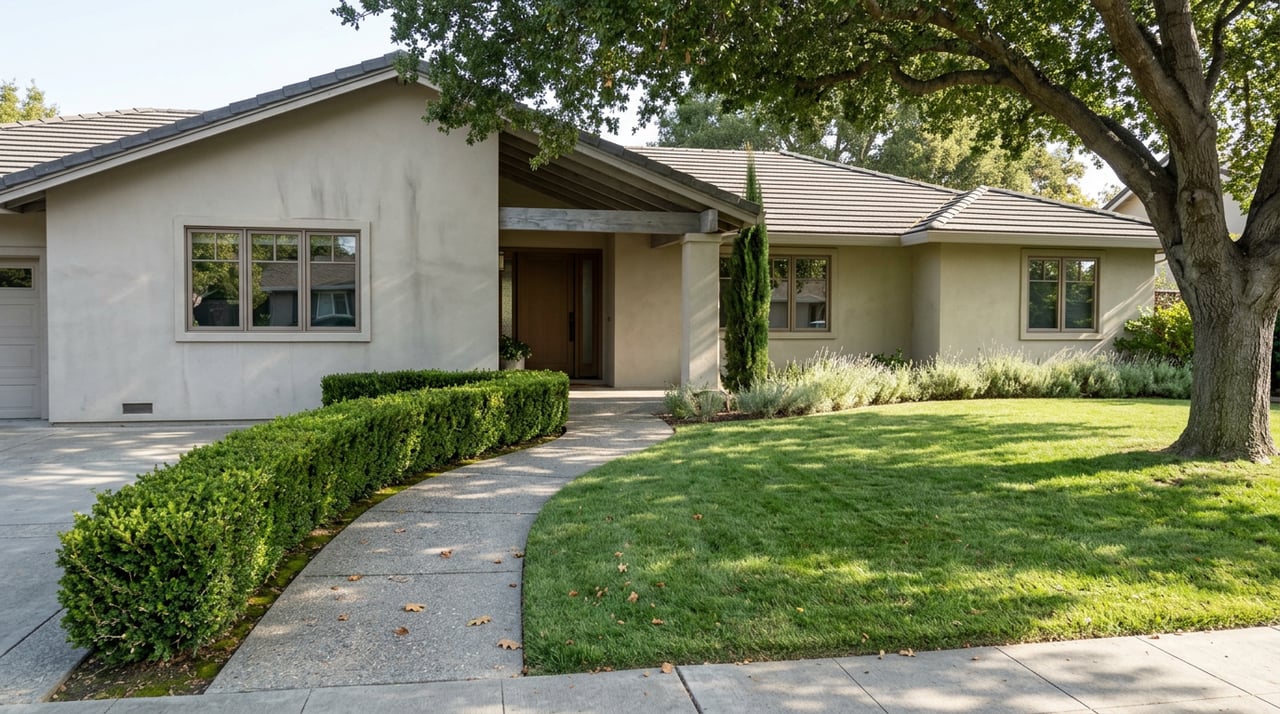
Warm Springs offers a blend of housing choices. Older streets feature mid‑20th‑century single-family ranch homes on modest lots compared with farther-out suburbs. Near the BART station and along major corridors, you’ll see newer townhomes, condominiums, and mid-rise communities designed around transit. In parts of southern Fremont and nearby hills, there are scattered higher-end detached homes.
What drives pricing
Prices across Fremont tend to sit above state and national averages, and Warm Springs reflects broader Bay Area dynamics. Within the neighborhood, values often vary by proximity to transit, age of construction, lot and home size, views and hillside settings, and freeway access. The market moves in cycles, so it’s best to review current local data before you act.
Who buys what
- Younger professionals and downsizers often look to newer condos and townhomes close to BART.
- Families tend to focus on established single-family streets with parks and daily services nearby.
- Investors watch the transit-adjacent buildings for rental demand tied to regional employment.
If you’re comparing options, decide first whether you want a transit-centered lifestyle or a quieter single-family setting, then filter by the features that matter most to you.
Daily life and amenities
Parks and outdoor time
You have quick access to some of the East Bay’s favorite open spaces. Mission Peak Regional Preserve is a popular hiking spot with skyline views and well-known trails. Quarry Lakes Regional Recreation Area offers lakeside paths, picnic areas, and fishing. Neighborhood parks connect with local trails and the Alameda Creek corridor, giving you options for morning runs and weekend biking.
Retail, dining, and services
Day-to-day shopping is straightforward across southern Fremont and neighboring cities. You’ll find grocery stores, big-box retail, and service centers along major corridors. Near the BART station, some transit-oriented projects include or plan retail components, which can evolve as new phases open. Health care providers and specialty services are available throughout Fremont and the wider Tri-City area.
Getting around
Transit options
The Warm Springs/South Fremont BART station is the neighborhood’s transit hub. It improves access to the East Bay and transbay connections. Local bus lines through AC Transit and VTA help with last‑mile links. For specific routes and timing, check agency trip planners before you commute, since schedules and transfers can change.
Driving and freeway access
If you drive, you’re close to I‑880 for East Bay and South Bay trips and I‑680 for the Tri‑Valley. For Peninsula access, regional connectors lead toward the Dumbarton Bridge. Peak-hour congestion can be significant, especially for South Bay commuting. Build in buffer time and use live navigation to choose the best route.
Commute realities
- BART plus buses can be a good alternative to rush-hour driving, but you may need transfers for South Bay destinations.
- Car commutes are common to major tech hubs; traffic levels vary by time of day.
- Use live tools for current travel times rather than relying on static estimates.
Who Warm Springs fits
Warm Springs often appeals if you want transit access without living in a dense urban core. It can also make sense if you’re seeking a slightly different price point than core Silicon Valley while staying near South Bay job centers. Typical residents include:
- Commuters who value direct BART access and regional connections.
- South Bay professionals comparing options across the East Bay and Silicon Valley.
- Families who want suburban amenities, parks, and access to district schools.
- Buyers who prefer newer, low-maintenance condos and townhomes near transit.
- Investors tracking rental demand tied to employment and BART.
Trade-offs to weigh
No neighborhood is perfect. Consider these factors as you explore Warm Springs:
- Some blocks sit near industrial or commercial uses, with related traffic or noise.
- Freeway congestion can be heavy at peak hours; BART may require transfers for certain South Bay commutes.
- Ongoing redevelopment around transit can change the feel of certain streets over time.
If these trade-offs are manageable for your lifestyle, the neighborhood’s access and housing variety may outweigh the downsides.
Buyer strategies for Warm Springs
- Clarify your lifestyle first. Transit-first living near BART differs from a quieter single-family street further out. Decide which rhythm fits you.
- Compare total cost, not just list price. Factor HOA dues for condos and townhomes, plus commuting costs and time.
- Focus your search around price drivers. Newer construction, views, and proximity to transit can influence both enjoyment and resale.
- Validate current market data. Median prices, inventory, and days on market shift with Bay Area cycles. Review active and recent comps before you write an offer.
- Plan your commute test. Use agency planners and drive at your typical times to confirm a realistic routine.
Seller strategies for Warm Springs
- Position your home to its segment. Highlight transit convenience for condos and townhomes. For single-family homes, emphasize livability, outdoor space, and local parks.
- Stage and present with care. Professional staging, photography, and clean pre-list repairs can increase buyer confidence and improve outcomes.
- Price to the moment. Conditions change with inventory and rates. Evaluate both recent sales and competing listings to set a strategy.
- Market beyond the zip code. Many buyers compare East Bay and South Bay options. Wider exposure can capture relocating professionals and investors.
Schools and family services
Warm Springs addresses fall within the Fremont Unified School District. School assignment and performance vary by address. If schools are important to you, verify attendance zones directly with the district and review the latest public performance data. For after-school programs and childcare, check local providers and community centers across Fremont.
The bottom line
Warm Springs blends convenience and calm. You get a transit hub with BART, a range of housing from classic ranch homes to modern townhomes, and quick reach to regional parks. In return, you accept some industrial edges and peak-hour traffic. If that balance matches your lifestyle, this corner of Fremont can work well now and age well as transit-oriented projects mature.
If you’re weighing a move or considering a sale, local guidance can help you time the market, price correctly, and negotiate with confidence. For a private consult and a tailored plan, connect with Joe Sabeh.
FAQs
How is the Warm Springs commute on BART?
- The station improves East Bay and transbay access, but exact times depend on line schedules and transfers; check agency trip planners for current routes.
What housing types are common in Warm Springs?
- You’ll find mid‑century single-family ranch homes, newer townhomes and condos near BART, and some higher-end detached homes in parts of southern Fremont and nearby hills.
Are there parks close to Warm Springs?
- Yes, residents frequent Mission Peak Regional Preserve for hiking and Quarry Lakes Regional Recreation Area for trails and water activities, along with local neighborhood parks.
Which schools serve Warm Springs addresses?
- Addresses fall within Fremont Unified School District; verify specific attendance zones and current performance data with the district before you buy or lease.
Is Warm Springs a good area for investors?
- Many investors watch transit-adjacent condos and townhomes given rental demand tied to employment centers, but outcomes depend on unit type, location, and market cycle.
What should Warm Springs sellers do before listing?
- Focus on presentation, price to current conditions, and market broadly; staging, pro photography, and a data-driven pricing strategy can help maximize results.