If you own a condo or townhome near the Warm Springs BART station and you're thinking about listing this fall, here's the question your buyer's lender will ask before anyone talks about paint colors or closing dates: has the HOA finished its balcony inspection?
That question didn't exist five years ago. It exists now because of two California laws that most sellers have never heard of until their listing agent brings up a document called the Civil Code section 4525 disclosure packet. For a detached single-family home in Fremont, that packet is thin. For a condo in one of Warm Springs' newer communities, it just got a new page, and that page can decide whether your buyer pool includes conventional lenders at all.
The Paperwork Nobody Budgeted For
California's SB 326, passed in 2019, required every condominium association with three or more units and wood-supported balconies, decks, walkways, or stairways more than six feet off the ground to have those elements inspected by a licensed structural engineer or architect. The deadline was January 1, 2025, with no extension for HOAs, even though a separate law for apartment buildings did get pushed to 2026. If your HOA has already completed that inspection, this is background. If it hasn't, the compliance window closed more than a year and a half ago.
What changed on January 1, 2026, is SB 410. That law folded the SB 326 inspection report directly into the seller's Civil Code section 4525 disclosure packet, the same bundle that already includes the HOA's governing documents, budget, reserve study, and assessment history. Before this year, a buyer might not see the balcony report at all unless they asked. Now it's a required attachment, delivered as part of the standard sale process, in the same stack of paper as the CC&Rs.
The City of Fremont has been direct with residents about who carries this obligation. As the city's own guidance puts it, condominium owners are "not directly responsible for completing the inspection and any required repairs," but the requirement runs through the HOA board regardless of who signs the closing documents. The city has also been contacting associations directly to confirm compliance, which means this isn't a rule sitting quietly in the Civil Code. It's active enforcement in the same municipality where your building sits.
Why This Lands Differently in Warm Springs
Fremont has plenty of HOAs, but Warm Springs is where the housing stock actually matches the law's target: newer, multi-unit condominium buildings with the kind of elevated walkways, balconies, and shared exterior structures that trigger SB 326 in the first place. The neighborhood grew up fast around the Warm Springs/South Fremont BART station, which opened for service in March 2017, and the construction that followed leaned heavily toward exactly this product type.
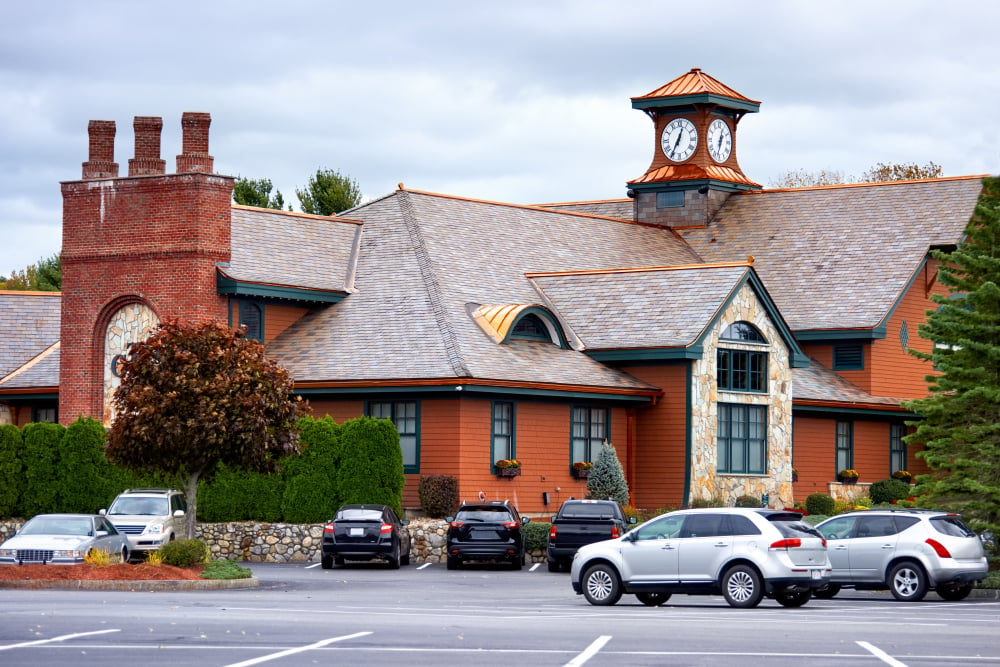
Toll Brothers built Metro Crossing directly across from the station, a community that includes the Norwood Junction and Chancery Lane collections, both structured with elevator access and shared walkway systems that fall squarely under SB 326's definition of exterior elevated elements. Older Warm Springs communities like Bolinger Common carry the same exposure simply by virtue of being condominiums with elevated shared structures.
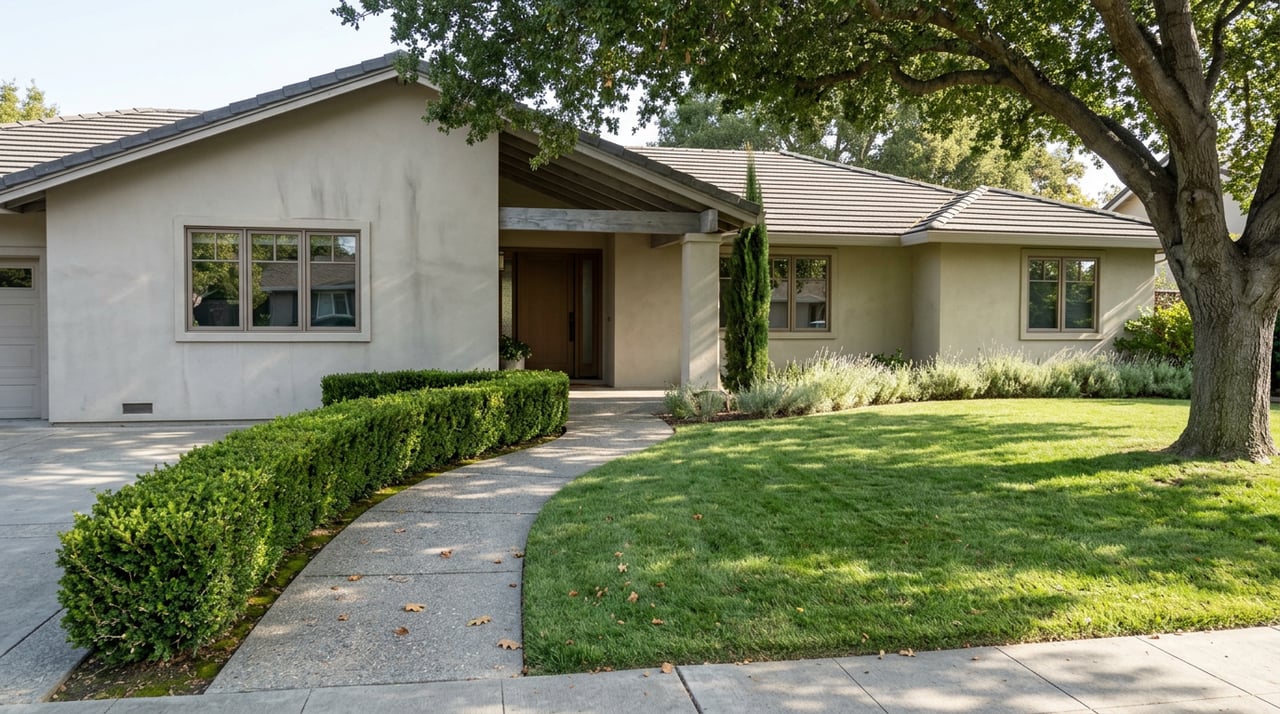
Compare that to a neighborhood like Mission San Jose, where the housing stock is dominated by detached single-family homes on individual lots. SB 326 doesn't touch those properties, because the law applies specifically to common interest developments with shared exterior elements, not standalone single-family homes. A seller of a Mission San Jose house is unlikely to ever see a balcony inspection report in the disclosure packet. A seller in a Warm Springs condominium almost certainly will, and starting this year, that report has to be there before the sale can close cleanly.
SB 326 and SB 410, Side by Side
| SB 326 | SB 410 | |
|---|---|---|
| What it requires | Inspection of exterior elevated elements by a licensed structural engineer or architect | Adds the SB 326 report to the mandatory seller disclosure packet |
| Deadline | Initial inspection due January 1, 2025, then every nine years | Effective January 1, 2026 |
| Who it applies to | Condominium HOAs with three or more units and qualifying elevated structures | Any seller in a community already subject to SB 326 |
| Where it shows up | HOA board records and reserve study | Civil Code section 4525 disclosure packet delivered to the buyer |
What a Missing Report Actually Costs a Seller
This is the part that catches people off guard. Once a written request goes to the HOA, the association has ten calendar days under Civil Code section 4530 to produce the disclosure documents, and it can only charge its actual cost to prepare them. That's a tight window if the HOA has been slow to schedule its SB 326 inspection, and a listing can stall while the board scrambles to catch up on a legal requirement that has already been overdue for more than a year and a half.
The bigger risk sits with financing. Lenders in 2026 have started treating an incomplete, missing, or unfavorable SB 326 report as grounds to classify a condominium as non-warrantable under Fannie Mae and Freddie Mac guidelines. A non-warrantable unit can still sell, but the buyer pool shrinks to cash purchasers or lenders willing to write a portfolio loan, both of which typically mean a smaller pool of offers and more negotiating leverage on the buyer's side.
There's also a cost question buried in the reserve study. A mid-size condominium complex can expect to pay $15,000 to $50,000 or more for a compliant SB 326 inspection, and if the report identifies deferred repairs, that number can turn into a special assessment charged to every unit owner, including one who's mid-escrow. A seller who assumes their HOA dues are the whole story can find a five-figure surprise attached to their net proceeds sheet in the final weeks before closing.
The Neighborhood Is Still Building This Exact Product
None of this is a one-time hurdle that clears itself out over the next few years. Warm Springs is still adding the housing type that SB 326 was written for. Pulte Homes is moving forward with a 140-unit condominium project, including 21 affordable units, on Warm Springs Boulevard near the BART station, following an earlier 2022 filing from 330 Land Company for apartments and townhomes on nearby parcels. The neighborhood's own community plan, adopted by the City of Fremont over a decade ago, envisioned exactly this kind of transit-adjacent, multi-unit housing around the station, and the pipeline shows no sign of slowing.
That matters for anyone thinking about the resale value of a condo here now or in five years. Every new HOA that forms in this corridor inherits the same SB 326 clock, the same nine-year reinspection cycle, and the same disclosure requirement under SB 410. This isn't a rule that fades as the housing stock ages. It's baked into how this specific part of Fremont keeps getting built.
Quick Answers
Does this apply to my single-family home in Warm Springs? No. SB 326 applies only to condominiums and other common interest developments with qualifying elevated exterior structures. Detached single-family homes are not covered.
What if my HOA hasn't completed its SB 326 inspection yet? The board is out of compliance with a deadline that passed in January 2025. That doesn't stop a sale, but it means the disclosure packet will be incomplete until the inspection happens, which can slow a transaction and complicate financing.
How long does this typically add to a listing timeline? It depends entirely on where the HOA stands. If the inspection and report are already on file, the disclosure packet moves through the standard ten-day request window. If the inspection hasn't happened, the timeline depends on how quickly the board can schedule a licensed engineer or architect, which can take weeks.
Who pays for the inspection? The HOA, funded through dues, reserves, or a special assessment if the reserve fund doesn't cover it. That cost isn't a line item in a seller's closing statement, but it can show up as a special assessment against the unit if the board levies one before or during escrow.
If you're weighing whether to list a condo or townhome in one of Warm Springs' newer communities, the disclosure packet is the first place to look, not the last. Knowing where your HOA stands on SB 326 before you set a listing date can be the difference between a clean thirty-day escrow and a financing headache nobody saw coming. That's the kind of detail Joseph Sabeh Group walks through with every seller before a sign goes in the yard. Work With Us.