If you want a Fremont neighborhood that balances open space, practical convenience, and established housing, Ardenwood deserves a closer look. For many buyers, daily life is not just about the home itself. It is about how easily you can get outdoors, run errands, and move through the week without friction. This guide will show you what living in Ardenwood Fremont is really like, from parks and trails to shopping, commute access, and housing character. Let’s dive in.
Ardenwood at a glance
Ardenwood sits in northwestern Fremont near the eastern base of the Dumbarton Bridge, with direct access to Highway 84 and Interstate 880. That location gives the neighborhood a distinct role within the city, especially for people who want convenient regional connections along with a more residential setting.
According to Fremont’s planning documents, North Fremont is almost completely flat, with a history that moved from agricultural land to suburban residential and employment uses. Ardenwood itself was master planned in the late 1970s and later developed with more than 5,000 homes, a 283-acre technology park, and a regional park centered on the Patterson estate.
That planning history still shapes the neighborhood today. Ardenwood feels organized around connected living, where homes, open space, and everyday services sit within a broader suburban framework.
Parks define daily life
One of Ardenwood’s strongest lifestyle advantages is its access to outdoor space. This is not a neighborhood where parks feel like an afterthought. Open space is a major part of the area’s identity.
Fremont’s North Fremont planning goals specifically emphasize neighborhood quality, stronger pedestrian and bicycle links, and improved access between homes, shopping areas, and open spaces. In practical terms, that helps explain why Ardenwood often appeals to buyers who want a neighborhood with room to get outside regularly.
Ardenwood Historic Farm
Ardenwood Historic Farm is one of the neighborhood’s signature destinations. Operated by the East Bay Regional Park District as a working turn-of-the-20th-century farm since 1985, it offers more than just scenery.
The City of Fremont notes that the site includes Patterson House tours, historic-day programming, train rides, farm chores, and seasonal kids camps in spring and summer. For residents, that means the farm can become part of your routine rather than just a place you visit once.
It adds a unique layer to the neighborhood experience. Instead of a standard park alone, Ardenwood has a living historic space that supports recreation, events, and family-friendly activities throughout the year.
Coyote Hills and trail access
Ardenwood also benefits from its proximity to Coyote Hills Regional Park and the surrounding trail network. This nearby park covers 1,266 acres of marshland and rolling grassland hills, creating a very different outdoor experience from a typical neighborhood greenbelt.
One standout feature is the Bay View Trail, a 3.5-mile paved loop. It connects with the 12-mile Alameda Creek Regional Trail and the Don Edwards San Francisco Bay National Wildlife Refuge, which gives you broad options for walking, biking, and longer outdoor outings.
For many buyers, this kind of access matters as much as square footage. If you like being able to step away from work, screens, and traffic and get into open landscapes quickly, Ardenwood has a real advantage.
What everyday living feels like
Ardenwood’s appeal is not only about open space. It also works well for people who want a neighborhood that supports the rhythms of normal life, from quick errands to weekend plans.
Within Ardenwood, there is a small commercial center along Paseo Padre Parkway. That can be convenient for day-to-day needs, especially when you want something nearby instead of a larger retail trip.
For bigger errands, many residents look to Pacific Commons. The City of Fremont describes it as the city’s largest commercial center, and city materials note that it includes more than 55 retailers and restaurants, including Target, Costco, T.J. Maxx, Nordstrom Rack, and Sephora.
That mix gives Ardenwood a practical side. You can enjoy a neighborhood with strong open-space access without feeling far removed from major shopping and dining options.
Access to broader Fremont amenities
Another plus is how Ardenwood fits into the wider Fremont landscape. If you want more than neighborhood-scale conveniences, broader city amenities are still within reach.
Fremont’s City Center area includes the Fremont BART station, shopping areas such as Fremont Hub and Gateway Plaza, grocery options including Whole Foods and Trader Joe’s, three regional hospitals, and open space including Central Park. Downtown Fremont is also continuing to add restaurants and civic gathering spaces.
That means living in Ardenwood does not limit you to one small pocket of the city. You get a neighborhood feel, while still benefiting from Fremont’s larger network of services and destinations.
Commute and location advantages
For many Fremont buyers, location is measured by both lifestyle and commute efficiency. Ardenwood stands out because it sits near two major transportation routes: Highway 84 and Interstate 880.
That access supports trips within Fremont, connections to other East Bay destinations, and travel across the Dumbarton Bridge toward the Peninsula. For buyers relocating for work, this can be one of Ardenwood’s most practical benefits.
The neighborhood is also closely tied to the Ardenwood Technology Park. The City of Fremont describes this district as a roughly 3 million-square-foot research-and-development, flex, and office hub in the city’s northwest corner, across the Dumbarton Bridge from Menlo Park and the San Francisco Peninsula.
If your work patterns involve regional commuting, that employment base adds context to Ardenwood’s location. It is not just residential. It is part of a larger live-work area with established business infrastructure nearby.
Ardenwood housing styles and expectations
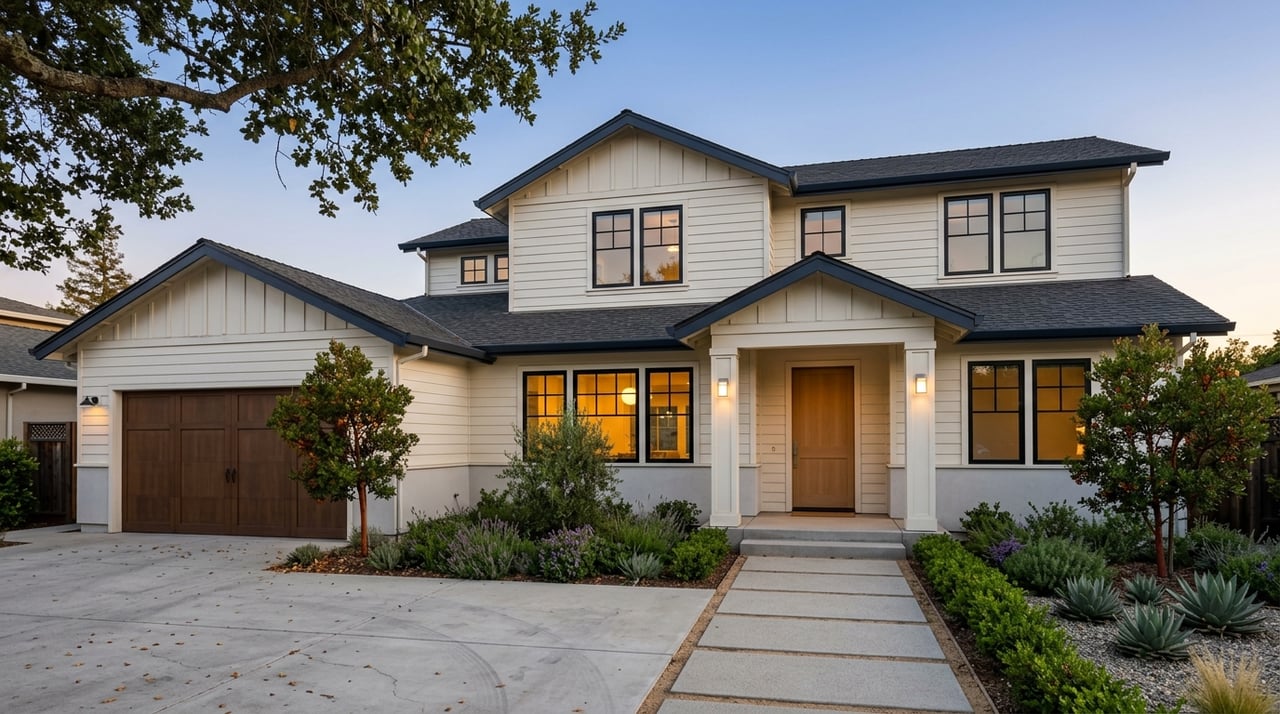
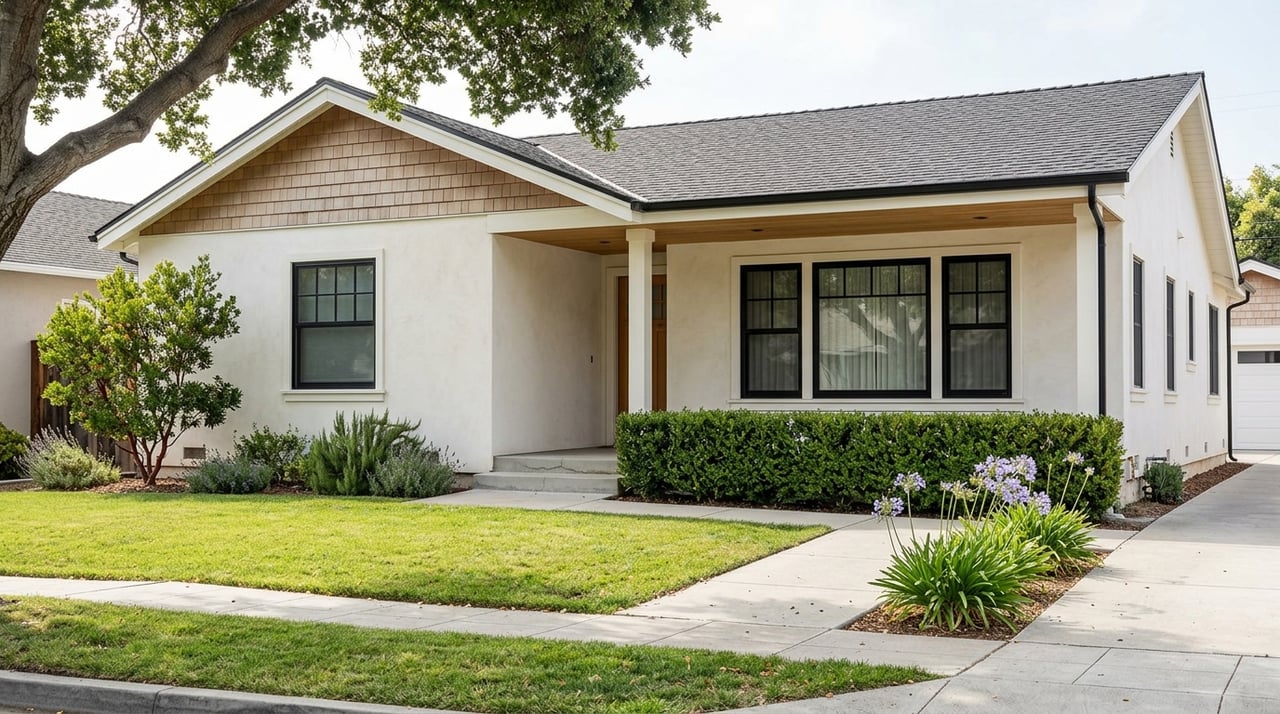
If you are exploring homes in Ardenwood, it helps to understand that the housing mix is broader than many buyers first assume. This is not a neighborhood defined only by large detached homes on expansive lots.
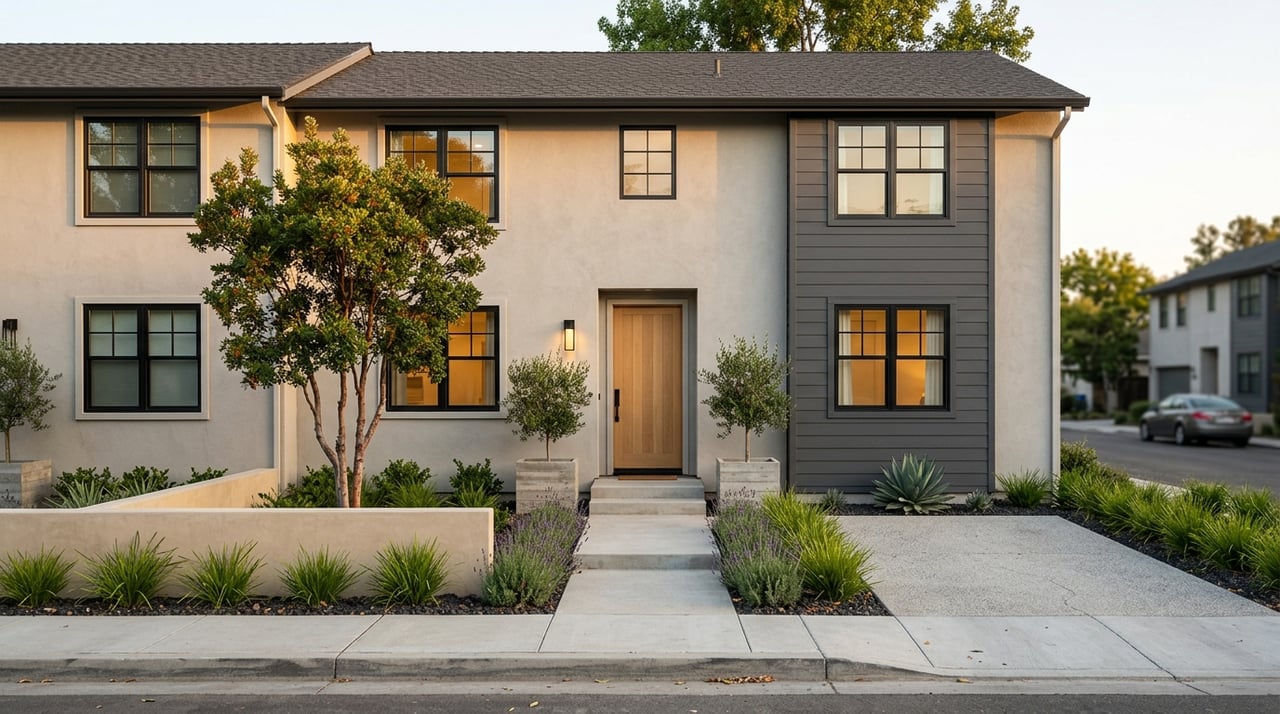
Fremont’s General Plan states that Ardenwood introduced the small-lot single-family home on a large scale. Much of the community was developed with patio homes and zero-lot-line homes at densities of 11 to 15 units per acre or more, while other sections followed more traditional suburban densities.
The same plan also identifies townhomes, condominiums, garden apartments, and two-family duets as part of the housing mix. As a result, Ardenwood can appeal to a range of buyers, depending on the type of home and maintenance level you want.
Established homes, not new construction
Most of Ardenwood was developed largely in the 1980s and 1990s. That means the neighborhood generally offers established housing stock rather than new-construction communities.
For buyers, that often translates to mature streetscapes and a more settled neighborhood pattern. It also means you should expect many homes to sit on smaller lots than homes in some older Fremont subdivisions.
This is an important expectation to set early. Ardenwood offers a blend of suburban living and outdoor access, but it should not be viewed as a large-lot enclave.
Why buyers are drawn to Ardenwood
Ardenwood tends to attract people who want a specific balance. They are often looking for a Fremont neighborhood that combines a residential feel with strong access to parks, trails, shopping, and commute routes.
The neighborhood’s planning framework reinforces that balance. Fremont’s goals for North Fremont include maintaining neighborhood quality, strengthening Ardenwood’s identity, expanding shopping and dining, and improving pedestrian and bicycle links.
In other words, Ardenwood was designed to function as more than a cluster of homes. It was intended to be a connected suburban district with open-space access built into daily life.
Is Ardenwood the right fit for you?
If your ideal neighborhood includes regular trail access, established homes, and convenient connections to shopping and major roads, Ardenwood is worth serious consideration. It offers a practical version of suburban Fremont living, with a distinct outdoor component that sets it apart.
It may be especially appealing if you value being near destinations like Ardenwood Historic Farm and Coyote Hills Regional Park, while still having Pacific Commons and broader Fremont amenities within easy reach. That combination is a big part of what gives Ardenwood its staying power.
As with any neighborhood, the right fit depends on your priorities. Home type, lot size, commute pattern, and how you spend your weekends all play a role in whether Ardenwood aligns with your lifestyle.
If you are considering a move in Fremont and want neighborhood guidance tailored to your goals, Joe Sabeh can help you evaluate Ardenwood with clear local insight and thoughtful, personalized advice.
FAQs
What is Ardenwood in Fremont known for?
- Ardenwood is known for its access to open space, including Ardenwood Historic Farm, nearby Coyote Hills Regional Park, and trail connections, along with established housing and convenient access to Highway 84 and Interstate 880.
What parks and trails are near Ardenwood Fremont?
- Ardenwood residents have access to Ardenwood Historic Farm, Coyote Hills Regional Park, the Bay View Trail, the Alameda Creek Regional Trail, and nearby regional open-space connections.
What is shopping like near Ardenwood Fremont?
- Ardenwood has a small commercial center along Paseo Padre Parkway, while larger retail and dining trips often center on Pacific Commons, Fremont’s largest commercial center.
What types of homes are common in Ardenwood Fremont?
- Ardenwood includes a mix of patio homes, zero-lot-line single-family homes, townhomes, condominiums, garden apartments, and two-family duets, with much of the neighborhood developed in the 1980s and 1990s.
Is Ardenwood Fremont good for commuters?
- Ardenwood offers direct access to Highway 84 and Interstate 880 and sits near the Ardenwood Technology Park, making it a practical location for many regional commuters.
How does Ardenwood compare with other Fremont areas for outdoor access?
- Ardenwood stands out for its close connection to major open spaces and trail systems, while still offering access to broader Fremont amenities such as Central Park, City Center services, and regional shopping areas.