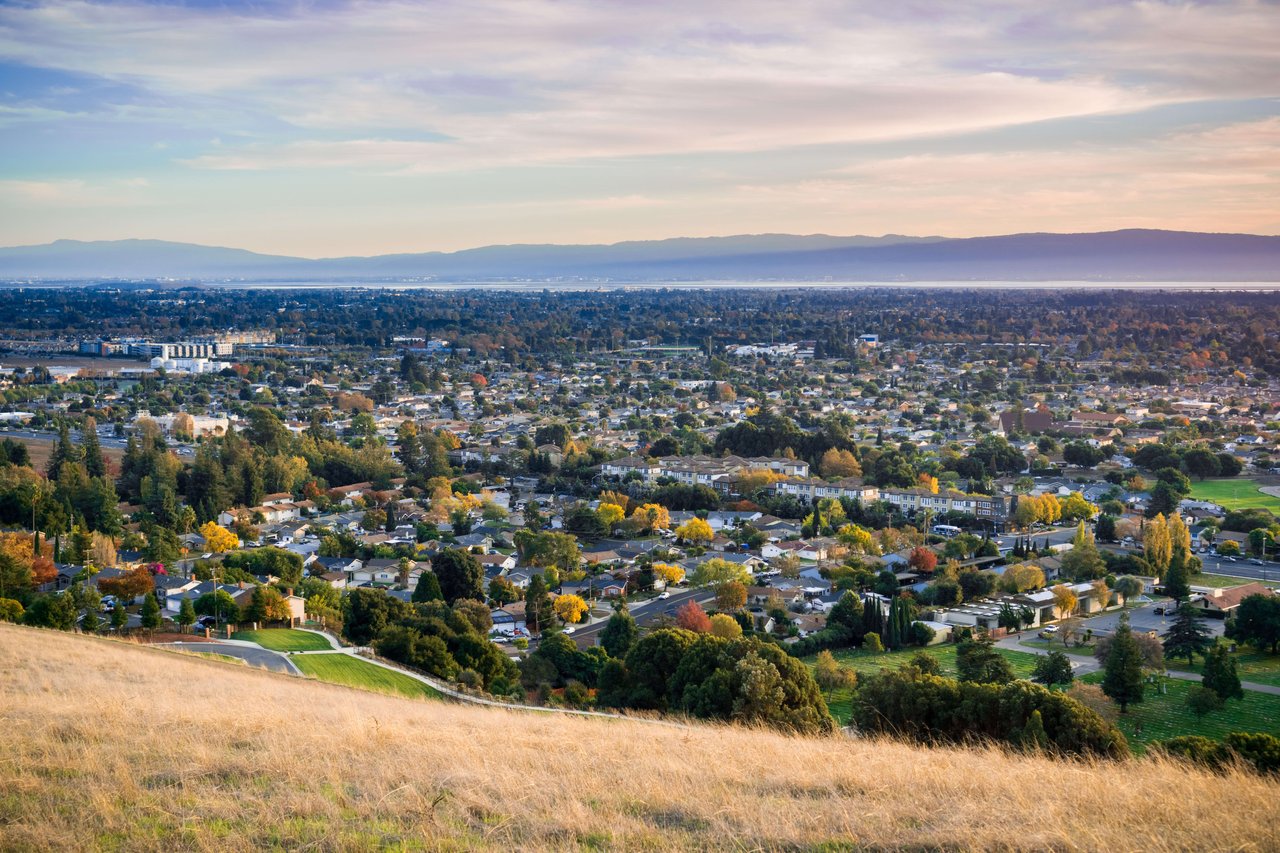
If your work life points toward Fremont, North San José, or the broader South Bay, where you live can shape your week as much as your home itself. Warm Springs stands out because it offers something many Bay Area buyers want but do not always find in one place: BART access, freeway connectivity, a growing employment base, and a mix of housing options in one South Fremont district. If you are weighing commute convenience against lifestyle and long-term fit, this guide will help you understand what Warm Springs does well and who it tends to suit best. Let’s dive in.
Why Warm Springs Appeals to Commuters
Warm Springs is in southern Fremont and centers around the Warm Springs/South Fremont Community Plan area. The City of Fremont positions this area as an Innovation District and employment center, which gives it a different feel from a purely residential neighborhood. In practical terms, that means transit, jobs, mixed-use growth, and newer housing all play a big role in how the area functions.
For Silicon Valley commuters, that matters. You are not just choosing a home here. You are choosing a location built around movement, access, and proximity to major work hubs.
A Transit-Oriented Location
The Warm Springs/South Fremont BART station is a major anchor for the neighborhood. BART identifies it as the southernmost station in Alameda County, and the station includes about 2,000 parking spaces along with connections to VTA and AC Transit buses. A west pedestrian and bicycle bridge also opened in 2022, improving access between the station and Fremont’s Innovation District.
This setup gives you options. You can drive to BART, use transit connections, or combine biking and walking depending on where you live and work.
Access to South Bay Job Centers
For buyers commuting toward Silicon Valley, Warm Springs benefits from both rail and road access. BART currently reaches Berryessa/North San José, where riders can connect to frequent VTA service into Downtown San José and Diridon Station. VTA also notes that Phase II is in design and engineering to extend service farther into San José and Santa Clara in the future.
By car, the area connects through I-880, I-680, and SR-262/Mission Boulevard. According to Fremont transportation documents, these are the primary access corridors for the Warm Springs area, which supports the neighborhood’s appeal for households commuting in more than one direction.
What the Housing Mix Looks Like
One of the most important things to know about Warm Springs is that it is not one uniform neighborhood product. You will find a mix of residential formats shaped by planning, zoning, and proximity to the station. That makes it a strong match for some buyers and a less natural fit for others.
Single-Family Areas and Higher-Density Homes
City planning materials describe land east of I-680 as single-family residential uses. They also identify land south of Mission Boulevard as medium-density apartments, while the station area falls within a transit-oriented development overlay. In other words, housing type often depends on which part of Warm Springs you are considering.
If you want a more traditional detached-home setting, you may focus on the established single-family sections. If you want something newer and lower-maintenance near transit, the station area may offer a better fit.
Why Newer Homes Near BART Feel Different
Fremont’s planning policies for Warm Springs encourage walkable, connected neighborhoods with multiple land uses and housing types. Near the station, that generally translates to attached and higher-density housing rather than large-lot detached homes. This is one of the defining traits of the neighborhood.
City environmental review documents for station-area proposals referenced 4- to 5-story wrap apartments, podium homes, triplex-type homes, elevator-access condominium homes, stacked flats, and townhomes. For buyers, that helps explain why newer inventory near BART often looks more urban and transit-friendly than classic suburban.
The Lifestyle Story in Warm Springs
Warm Springs is not only about commuting. It also offers a lifestyle shaped by parks, public space, and a district plan that emphasizes walkability and connections. That balance is part of what makes the area attractive to relocating professionals and move-up buyers who want convenience without giving up everyday livability.
Parks and Outdoor Space
The Warm Springs Community Center & Park adds useful neighborhood recreation space. The city describes it as a 12-acre park with a baseball field, basketball court, bike rack, open lawn area, playground, tennis court, trail, and picnic areas. That kind of amenity mix supports daily routines, weekend downtime, and active living close to home.
Planning documents for the broader district also call for public open space, parks, plazas, and bicycle and pedestrian facilities. While the neighborhood continues to evolve, the direction is clear: Warm Springs is being shaped to support a more connected day-to-day lifestyle.
An Employment Hub Close to Home
Fremont’s economic development materials describe Warm Springs as a blend of manufacturing, mixed-use, and transit-oriented development anchored by the BART station and Tesla’s Fremont Factory. The city also identifies employers in the area such as Zoox, Seagate, Western Digital, Thermo Fisher Scientific, and FM Industries. Over time, the broader buildout is expected to add about 20,000 jobs and 4,000 housing units.
That concentration of employment matters if you want to shorten your drive, preserve flexibility, or live near a district with long-term economic relevance. For some buyers, Warm Springs works not just because of where it sits today, but because of how it is positioned to grow.
Is Warm Springs Right for Your Priorities?
Warm Springs tends to work especially well for buyers who value access, efficiency, and newer housing formats. If one or both household members commute into Fremont, North San José, or Berryessa-adjacent parts of the South Bay, the neighborhood can offer a practical home base. It also suits buyers who like the idea of a walkable, evolving district rather than a static subdivision pattern.
That said, buyer fit matters. If your top priority is a classic large-lot suburban environment, Warm Springs may feel more mixed-use and transit-oriented than you want. The neighborhood’s identity is shaped by its role as a growth district, not just a traditional residential pocket.
What Buyers Should Compare Carefully
When you tour Warm Springs, it helps to compare homes with the neighborhood plan in mind. Two properties can both be in Warm Springs yet offer very different surroundings, access patterns, and day-to-day experiences. Looking closely at location within the district is just as important as comparing square footage or finishes.
Compare by Subarea, Not Just Price
A home near the BART station may offer stronger transit convenience and a newer, lower-maintenance setup. A home farther east may feel more established and more aligned with a traditional single-family layout. Neither is automatically better. The right choice depends on how you prioritize commute, home style, and neighborhood feel.
Think About Daily Routine
If you are in the office several days a week, station access and freeway redundancy may rank high on your list. If you work hybrid or from home, you may care more about layout, outdoor space, or how the immediate block feels. Warm Springs gives you several ways to balance those tradeoffs, but it helps to define your priorities early.
A Smart Choice for the Right Buyer
Warm Springs is one of Fremont’s most distinctive commuter-oriented areas because it combines regional access with an evolving neighborhood plan. It offers a mix of established single-family sections, newer attached housing, BART connectivity, and proximity to a major employment district. For Silicon Valley commuters who want a strategic location and a modern Bay Area lifestyle, it deserves a serious look.
The key is buying with clarity. When you understand how Warm Springs is planned, how its housing varies by location, and how its transit network supports your work life, you can make a much more confident decision.
If you are considering a move in Fremont and want a more tailored perspective on how Warm Springs compares with other local neighborhoods, Joe Sabeh can help you evaluate the tradeoffs with clear, local guidance.
FAQs
How good is the Warm Springs commute to Silicon Valley?
- Warm Springs offers BART access to Berryessa/North San José, where you can connect to frequent VTA service into Downtown San José and Diridon Station, and the area also has car access via I-880, I-680, and SR-262/Mission Boulevard.
Is Warm Springs in Fremont mostly apartments or houses?
- Warm Springs is a mix of housing types, with established single-family areas east of I-680 and more apartments, townhomes, condominium-style homes, and other higher-density housing closer to the station area.
Is parking at Warm Springs/South Fremont BART practical?
- Yes. BART says the station has about 2,000 parking spaces, along with AC Transit and VTA connections.
What kind of neighborhood is Warm Springs in Fremont?
- Warm Springs is best understood as a transit-oriented growth district and employment hub with mixed-use development, parks, bike and pedestrian connections, and varied housing options.
Who is Warm Springs in Fremont a good fit for?
- Warm Springs tends to suit buyers who want BART access, freeway connectivity, newer housing options, and practical access to Fremont and South Bay job centers.