Staring at your older Los Altos home and wondering if you should open walls or open a new chapter somewhere else? You’re not alone. Many 94022 owners love their address but question whether a remodel will pay off or if moving would be simpler. In this guide, you’ll get a clear, local framework to weigh costs, permits, timelines, ROI, and livability so you can decide with confidence. Let’s dive in.
How the Los Altos market shapes your choice
Los Altos is a high-value market where buyers often prioritize turn-key, modernized homes. Small functional or cosmetic gaps that might slide in other areas can affect price and days on market here. Before you commit to remodeling or listing, verify current median prices and selling times with recent local comps from the MLS or a seasoned local broker so you know how your home stacks up.
Renovating often makes sense if you love your location and can create meaningful value with updated kitchens, baths, systems, or an ADU. Moving can be wise if you need a different neighborhood or lot, want a simpler path to modern features, or prefer to avoid construction and timelines.
First, map your starting point
Property condition quick check
- Structure and systems: roof, foundation, sewer lateral, electrical service, HVAC, windows.
- Floor plan: layout flow, bedroom count, access to outdoor space, single-level living.
- Kitchen and baths: age of finishes, functionality, and storage.
- Site and feasibility: lot size, setbacks, mature trees, potential for an ADU or addition.
Personal and financial drivers
- Timing and tolerance: how long you can live with dust, noise, and temporary loss of spaces.
- Budget and financing: cash, HELOC, refinance, or sale proceeds.
- Emotional factors: attachment to neighborhood and routine vs. desire for a fresh start.
- Market window: inventory and demand in 94022, and how buyers value renovated versus as-is.
Permits and typical timelines in Los Altos
California projects follow the California Building Standards Code (Title 24) along with local requirements. In Los Altos, you should expect permits for structural changes, additions, kitchen relocations, and major systems upgrades. Many older homes benefit from early structural engineering, lead or asbestos testing when disturbing certain materials, and Title 24 energy compliance documentation.
Los Altos-specific items to check early:
- Planning review for footprint changes, additions, and ADUs.
- Historic resource considerations that can trigger discretionary reviews.
- Tree protections and stormwater rules for larger scopes.
- Utility upgrades for modern kitchens, EV chargers, and HVAC that may involve PG&E.
Typical timing ranges to plan around:
- Minor interior updates: plan and permit 2–6 weeks; build 2–8 weeks.
- Full kitchen remodel: plan and permit 4–12 weeks; build 6–12+ weeks.
- Bathroom renovation: plan and permit 3–8 weeks; build 3–8 weeks.
- Additions or structural changes: plan and permit 8–16+ weeks; build 4–9+ months.
- ADUs: streamlined approvals help, but design to final can range about 4–12 months depending on completeness and site constraints.
- Seismic and electrical service upgrades: allow extra weeks for engineering and utility coordination.
Permitting tips that save time:
- Book a pre-application meeting with the City to align on requirements.
- Submit complete packages, including site plans, structural calculations, and energy forms.
- Confirm contractor and architect availability early since scheduling can be a bottleneck.
Costs and expected ROI by project
Think about ROI in three ways: how much you may recoup at sale, how upgrades influence sale speed and negotiation leverage, and the non-financial value of better daily living or rental income. National Cost vs. Value studies are useful for trends, but Los Altos construction costs and buyer expectations are higher, so adjust assumptions using local comps and bids.
Quick wins: curb appeal and exterior
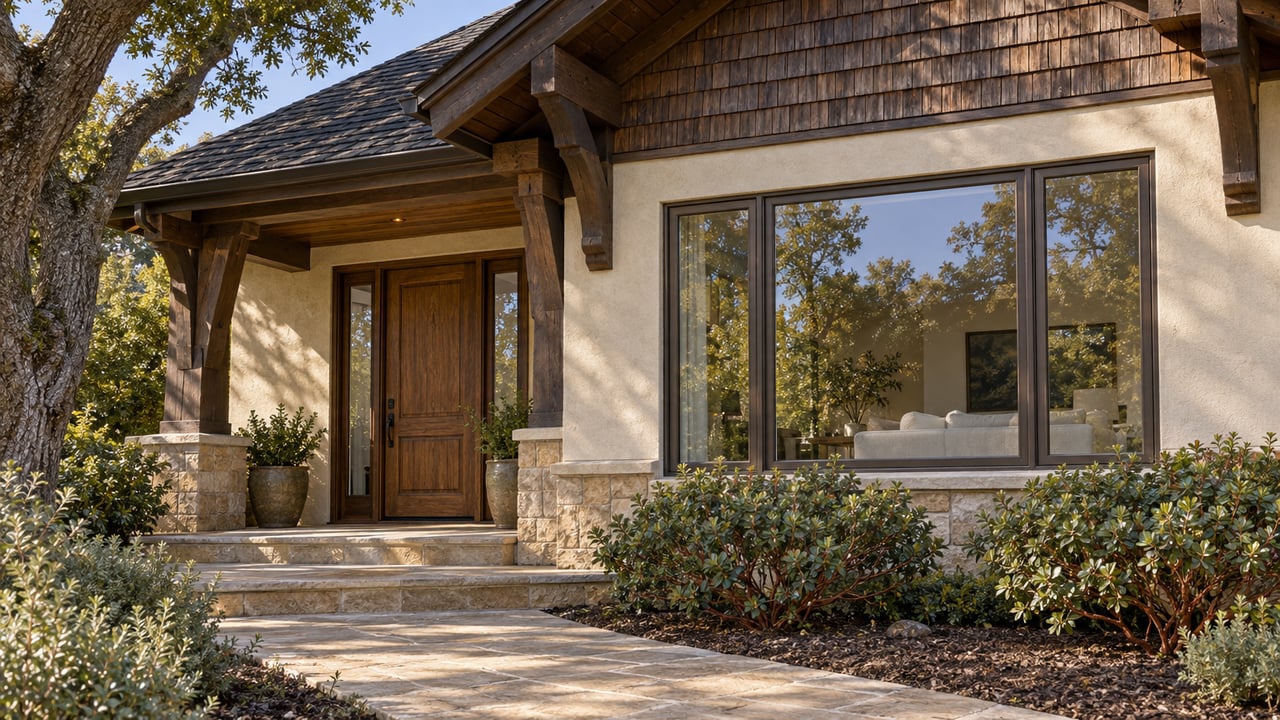
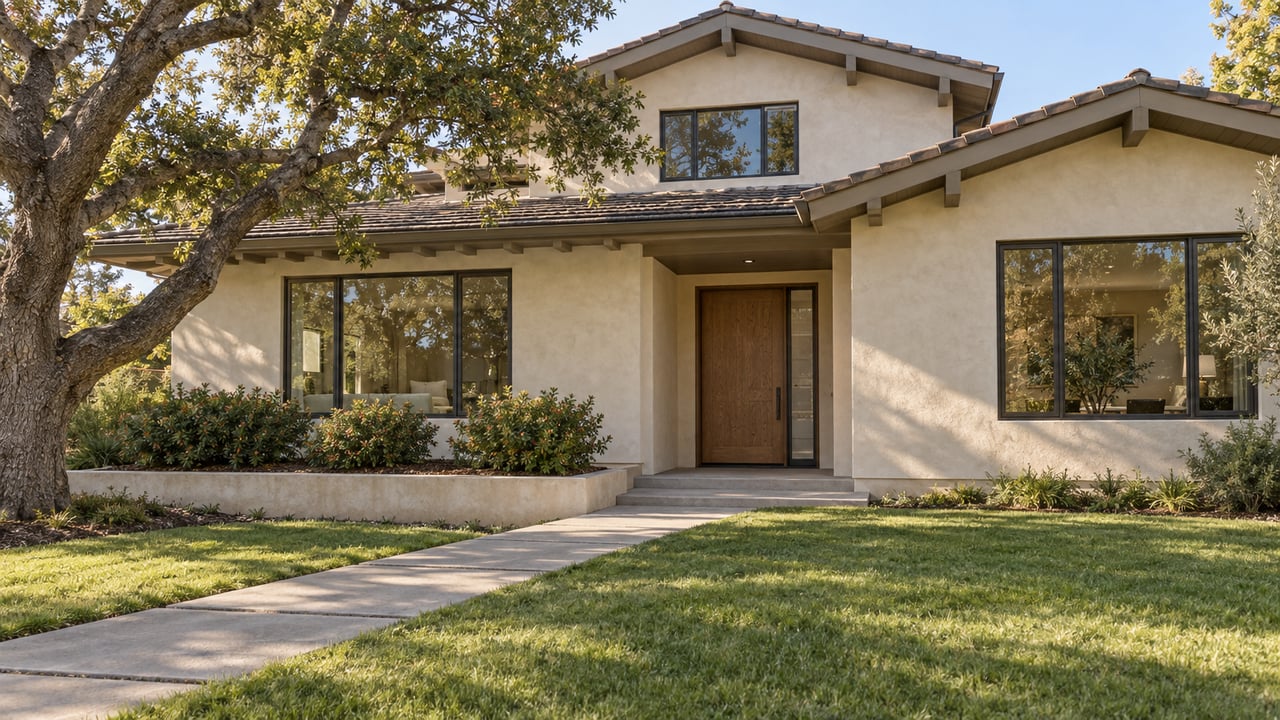
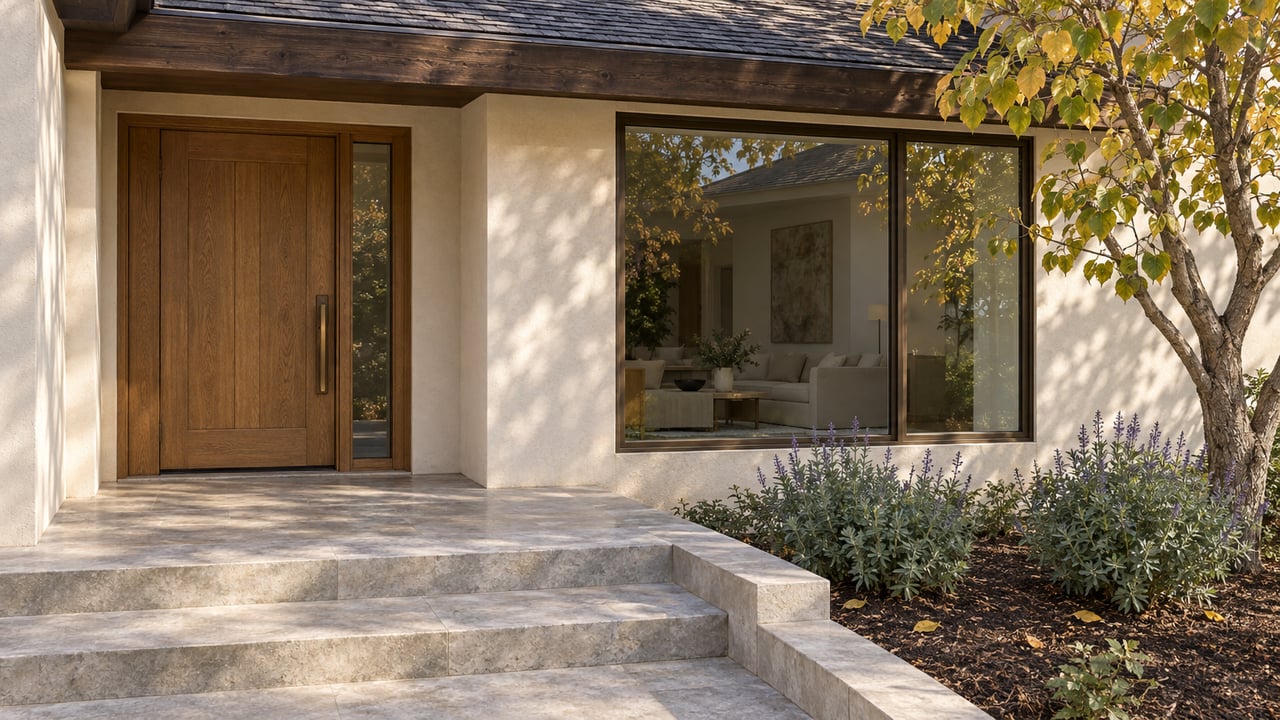
Curb appeal updates like paint, a refreshed garage door, and improved landscaping typically offer strong recoup percentages. Outdoor living spaces that extend entertaining can be especially appealing. Be mindful of tree protections and site rules when planning major exterior changes.
Kitchens and baths that move buyers
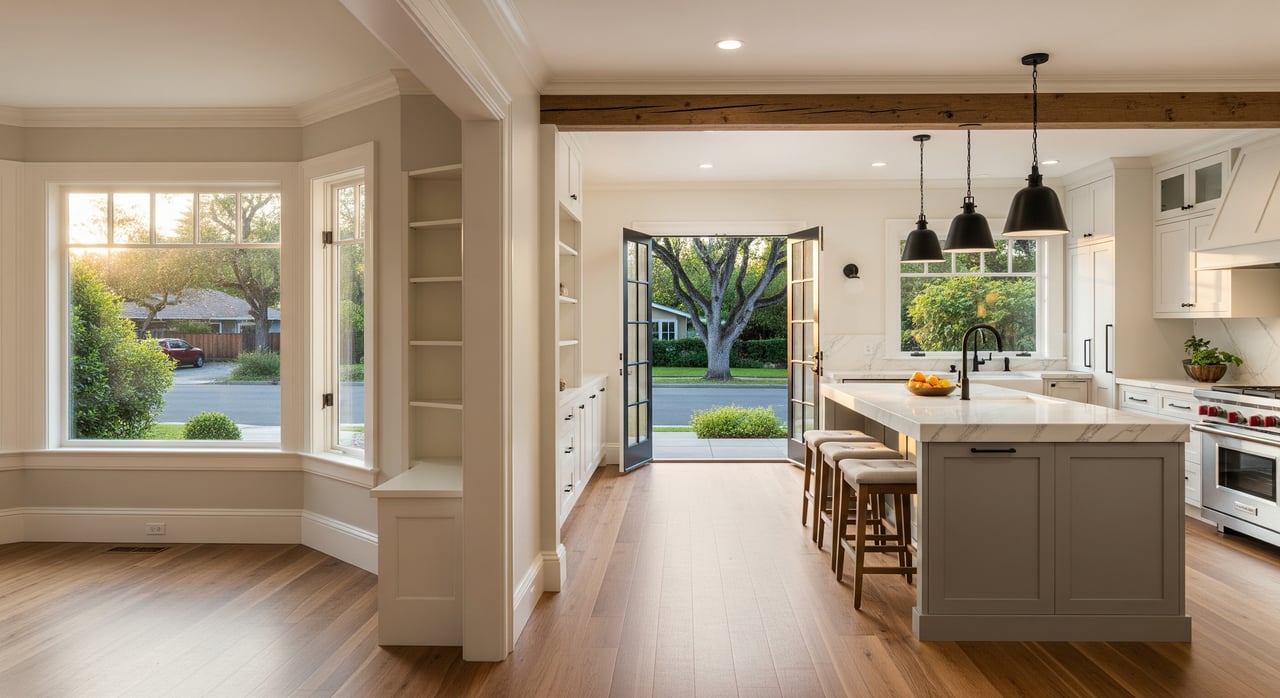
A minor kitchen remodel that modernizes surfaces and appliances often produces solid returns and broad buyer appeal here. Major kitchen reconfigurations may have a lower percentage recoupment, yet can add substantial absolute value if they fix a poor layout or improve indoor-outdoor flow. Main and primary bath updates are usually positive contributors, provided the work is well executed.
Systems that buyers expect
Upgrades to roof, HVAC, electrical service, and windows may not deliver dollar-for-dollar returns on paper, but they reduce buyer objections and can shorten time on market. In older Los Altos homes, updated systems are often expected rather than viewed as extras.
Additions and ADUs
Additions and second-story expansions are complex and carry longer timelines with lower percentage recoupment. They make sense when they solve a significant need like bedroom count or a primary suite. ADUs can bring rental income and enhance overall property value. The payoff depends on site feasibility, utility connections, and neighborhood rental demand.
Whole-house remodels
Whole-house renovations often have the lowest percentage recoupment, yet they can be the right choice if you value staying put and the cost to buy a comparable renovated home is higher than upgrading your current one.
Living through construction: what to expect
Disruption varies by scope. Cosmetic updates are low impact. Kitchens, baths, and interior reconfigurations bring medium disruption, often requiring temporary kitchens or bathroom rotations. Additions and whole-house scopes can be high disruption and may warrant short-term relocation.
Practical mitigation strategies:
- Phase work so you always have one usable kitchen and bath where possible.
- Set up a temporary kitchen and consider laundry alternatives.
- Budget for short-term housing if timelines or tolerance are tight.
- Ask contractors to use dust controls like zipper doors and HEPA filtration.
- Insist on a written schedule with milestone updates and outage notices.
- Confirm contractor insurance and review your homeowner policy for coverage.
A simple decision matrix you can use
Scenario 1: Solid bones, cosmetic updates, you want to stay
- Recommendation: Target minor to moderate renovations. Prioritize kitchens, baths, and key systems to maximize appeal and livability.
- Next steps: Get three bids, confirm permit needs with the City, and compare financing options.
Scenario 2: Major systems due, plan to sell soon
- Recommendation: Address safety and compliance items that could derail a sale. Skip luxury overhauls that you cannot recoup quickly. Consider high-impact, lower-cost updates like paint, landscaping, and light fixture refreshes.
- Next steps: Secure quotes for systems work and consult a listing agent on where to stop for best net proceeds.
Scenario 3: Need more space or rental income, lot allows ADU
- Recommendation: Run an ADU feasibility and rental pro forma. If you plan to hold long term, an ADU can add flexibility and value. If selling soon, validate the resale premium before building.
- Next steps: Confirm ADU feasibility with planning staff and get two estimates. Check local rental rates to validate assumptions.
Scenario 4: High renovation cost to match neighborhood, you’re open to moving
- Recommendation: Compare net sale proceeds against renovation cost to reach market parity. If moving delivers better value and timing, focus on listing strategy and replacement-home search.
- Next steps: Request a market analysis, net sheet, and a plan for synchronized sell-and-buy timing.
Scenario 5: You want to stay but have low disruption tolerance
- Recommendation: Consider a phased scope that tackles systems first, then one major space at a time. If disruption remains unacceptable, explore moving.
- Next steps: Build a phased calendar and price out short-term housing to keep stress low.
Your next steps checklist
For either path:
- Ask for a market valuation and recent comps for 94022.
- Gather at least two detailed contractor bids with scope, schedule, allowances, and payment terms.
- Meet the City of Los Altos Planning and Building teams to review feasibility, permits, and timelines.
- Choose a financing approach: cash, HELOC, cash-out refinance, renovation loans, or sale proceeds.
- Order inspections for roof, foundation, sewer lateral, electrical, and HVAC to surface hidden costs.
- If selling, request a net proceeds estimate with and without targeted upgrades.
If renovating and staying:
- Prioritize by impact: safety and structure, systems, kitchen and bath, then cosmetics.
- Hold a 10–20 percent contingency.
- Use written contracts with clear milestones and verify licensing and insurance.
- Plan for livability with a temporary kitchen and dust-control expectations.
If selling:
- Decide whether to list as-is or after select improvements.
- Have your agent run a cost-benefit on paint, landscaping, staging, and light kitchen or bath updates.
- Align the listing date with your desired closing and purchase timeline.
How we help you decide with confidence
You deserve a disciplined plan that protects your time and equity. As a full-service team with boutique, white-glove service and the marketing reach of a respected luxury brand, we provide pricing guidance, cost-benefit analysis for pre-market improvements, polished staging, and premium marketing that attracts qualified buyers. If you choose to move, we represent you with negotiation discipline and a smooth, coordinated sell-and-buy strategy.
Ready for a clear, local plan tailored to your Los Altos address? Start a conversation with Joe Sabeh to map your next best move.
FAQs
What permits are required to remodel a home in Los Altos?
- Most structural changes, additions, kitchen relocations, and major systems upgrades require building permits, and some projects need planning review. A pre-application meeting helps clarify your exact checklist.
How long does an ADU take from design to completion in 94022?
- State streamlining helps, but timelines vary with site and submittal completeness. Many ADUs run about 4–12 months from design through final inspection.
Will a minor kitchen remodel improve my resale in Los Altos?
- Minor kitchen updates typically have good buyer appeal and solid recoup potential, especially when they deliver a modern look without the cost and time of a full reconfiguration.
Is it smarter to sell as-is or after improvements?
- It depends on your home’s condition and buyer expectations for your micro-neighborhood. Address safety and system issues first, then weigh targeted cosmetic updates that offer high impact at lower cost.
Can I live at home during a kitchen remodel?
- Many owners do, but expect weeks without a full kitchen. Plan a temporary setup, phase work where possible, and consider short-term housing if timelines or tolerance are tight.